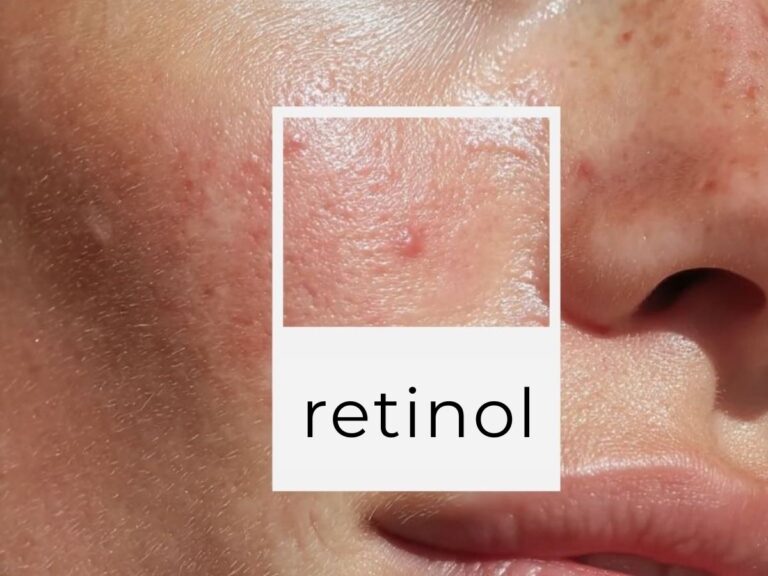

Brightening serum for a year, SPF daily – and the uneven skin tone is still visible in the mirror. A spot from a breakout, rosy cheeks, a dark circle around your chin – each of these changes has a different source and requires a different approach. Melanin, blood vessels, and inflammation all work simultaneously, so one serum doesn't cover all areas. Find out which ingredients target specific types of discoloration and how to build a routine that truly evens out skin tone.
What you should know about uneven skin tone:
Uneven skin tone is a difference in color between different parts of the face: brown spots from the sun, dark spots from eczema, grayness on the nose, or dark circles at the corners of the mouth. Each symptom has a different source—melanin, blood vessels, or inflammation—and requires a different active ingredient.
Notice the difference between melanin and vascular discolorations. A brightening serum works on pigmentation spots, but it won't reduce redness of the capillaries—these are two completely different problems.
Skin tone becomes uneven when melanocytes (pigment-producing cells) function unevenly under the influence of UV radiation, hormones, or inflammation. Sun damage accumulates over the years, and hormones and inflammatory processes leave their mark regardless of the season.
Each type has a different source: brown spots are caused by excess melanin, darkening after eczema is caused by PIH, and redness is a vascular reaction. The mechanism of development of each type is described in this article: How do facial discolorations occur?. Daily SPF 50 for your face blocks UV before it stimulates melanocytes to overproduce pigment.
The most common causes of discoloration and redness:
The intensity of discoloration is influenced by a combination of UV, hormones and inflammatory stress. Sun protection It is necessary all year round, because even winter UV stimulates pigment production.
Factors that exacerbate uneven skin tone:
The color and distribution of the lesion indicate the cause: symmetrical brown spots it is excessive pigmentation, purple darkening after eczema is PIH, and uniform redness on the nose is a vascular problem. The time of appearance – after summer, pregnancy, or antibiotic therapy – narrows the diagnosis, and diabetic discoloration signal metabolic disorders requiring treatment.
Remember that self-assessment has its limits. Changes that accumulate or change shape require consultation with a dermatologist – may indicate something more than a care problem.
The color can be a sign of health problems: a yellowish tint indicates liver disorders, gray indicates iron deficiency, and lumps on the neck and armpits indicate insulin resistance. Sensitive and reactive skin requires particularly gentle cleansing so as not to intensify redness.
Oily skin with PIH needs niacinamide and BHA, dry skin with sun spots needs barrier rebuilding, and sensitive skin needs milder forms of brighteners. face cream with niacinamide combines ceramides with niacinamide – it perfectly evens out the skin tone and strengthens it at the same time protective barrier skin.
In the morning: antioxidant serum with vitamin C or niacinamide, cream, and SPF; in the evening: serum targeting discoloration and barrier-rebuilding cream. In our alpha-arbutin serum we connected alpha-arbutin with kojic acid and licorice extract – three ingredients targeting different stages of melanogenesis. How to combine these ingredients in your daily routine is described in our article on – Alpha-arbutin in skincare.
The choice of ingredient depends on the type of lesion: alpha-arbutin targets melanin, niacinamide targets PIH and erythema, and vitamin C acts on several types at once. Vitamin C Serum with a stable form of ascorbate and ferulic acid, it has an antioxidant effect, niacinamide serum in the concentration of 10% it aims directly at evening out the color.
Active ingredients matched to the type of discoloration:
Sleep deprivation increases cortisol levels, which increases inflammation and promotes PIH. A diet rich in antioxidants limits melanogenesis, and the lack of regular SPF reduces the effects of brightening serums.
Start by identifying the type of change: brown spots require anti-pigmentation ingredients, erythema – vascular ingredients, PIH – a combination of AHA and niacinamide. When choosing professional facial cosmetics, it is worth combining the targeting serum with the rebuilding cream; remember to change one product at a time and give your skin 4-6 weeks for an answer.
The first skin tone-evening results are visible after 4-6 weeks. Deeper discoloration requires 3-6 months of consistent use.
Brightening and moisturizing products work more effectively together—hydration strengthens the barrier and improves the penetration of ingredients. Use antioxidants with SPF in the morning, and alpha-arbutin or a retinoid with a regenerating cream in the evening.
Skin tone changes with age – cumulative UV damage becomes more visible after the age of 40. Brightening skincare is then more advisable than purely preventative care.
Footnotes: