•
•
Free delivery from 490 PLN

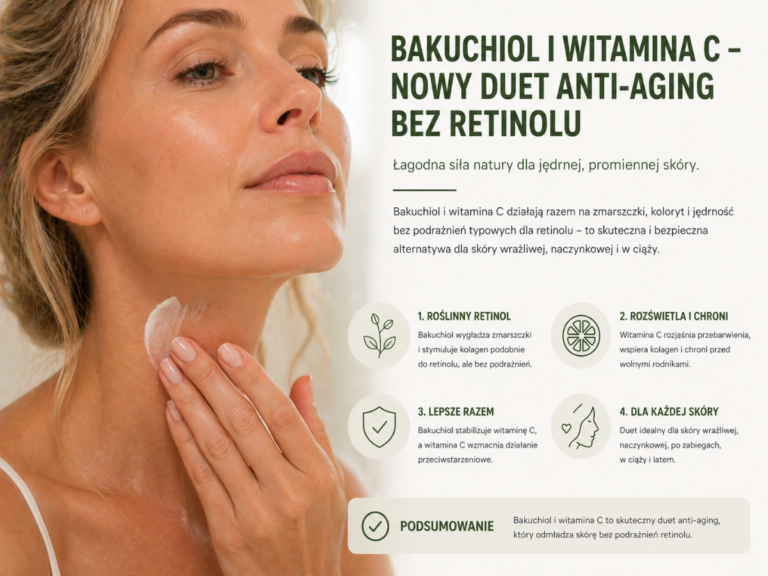
Wrinkles, loss of firmness, and discoloration don't appear overnight—they're the result of both natural biological processes and activities we often unconsciously accelerate. Is it possible to slow down this process and maintain a youthful appearance for longer? Which factors harm skin the most, and which habits help protect it? Learn about the mechanisms of accelerated skin aging and how to effectively counteract it.

One of the most important factors accelerating skin aging is UV radiation. Excessive sun exposure causes so-called. photoaging, which manifests itself in wrinkles, loss of elasticity and the formation of discoloration. This happens because UVA and UVB radiation damage the DNA of skin cells, contributing to the breakdown of collagen and elastin fibers.
Over time, skin loses its ability to regenerate itself, leading to premature aging. Research indicates that as much as 80% of the visible signs of skin aging are the result of exposure to UV radiation, not just the natural aging process.
That's why daily sun protection is so important - using SPF filters, wearing sunglasses and avoiding excessive sun exposure can significantly delay the skin aging process.
Check What are the best sunscreens?nin protection against skin aging
Daily exposure to environmental pollutants such as smog, heavy metals, and car exhaust fumes also has a profound impact on skin health. Air pollution leads to oxidative stress, the excessive production of free radicals, which accelerate the degradation of collagen and elastin fibers.
As a result, the skin becomes more susceptible to irritation, dryness, and premature wrinkles. Pollution can also cause hyperpigmentation, which is the formation of spots and discolorations that are difficult to remove. To minimize the effects of pollution, it's worth using cosmetics rich in antioxidants, which neutralize free radicals, and thoroughly cleansing the skin every evening.
Diet is crucial to the health and appearance of your skin. Eating large amounts of processed foods, simple sugars, and trans fats contributes to inflammatory processes that contribute to skin aging. A particularly harmful mechanism is glycation, a process in which excess sugar in the blood binds to proteins such as collagen, leading to their stiffening and breakdown. As a result, the skin loses firmness and elasticity, and wrinkles deepen much more rapidly.
On the other hand, a diet rich in antioxidants, omega-3 fatty acids, and vitamins A, C, and E supports skin health and slows the aging process. It's worth reaching for vegetables, fruits, nuts, fatty fish, and olive oil, which provide the skin with essential nutrients.
We all experience stress and sleepless nights, but do you know how much they affect the condition of your skin? Chronic stress and sleep deprivation can drastically accelerate the aging process, causing loss of firmness, dry skin, and wrinkle formation. What mechanisms are behind this, and how can we prevent it?

When we are stressed, the body produces more cortisol – a hormone that has a huge impact on the skin. Excessive amounts of it cause:
High cortisol levels make the skin more sensitive to external factors such as UV radiation and pollution. The result? A dull, gray complexion, the accelerated appearance of fine lines and wrinkles, and increased susceptibility to irritation.
During sleep, the body regenerates intensively – this is when it rebuilds damaged cells, produces collagen, and neutralizes free radicals. When we don't get enough sleep, these processes are disrupted, and the effects are almost immediate:
To support the skin's natural repair processes, it is important to ensure regular and healthy sleep – ideally 7-9 hours each night.
Advanced Line is a series of products designed for short-term, targeted therapies, focused on specific skin concerns. The goal of these cosmetics is to enhance the skin's natural processes.
Night is a key time for the skin, when it intensively regenerates and rebuilds. Retinyl Retinoate Serum supports this process by stimulating collagen production and accelerating cell renewal. This results in smoother, more elastic, and more even-toned skin.
The serum reduces wrinkles and fine lines, improves skin firmness, and helps combat discoloration. It also cleanses and regulates sebum production, improving skin condition.
Cigarettes not only damage your lungs and heart, but also accelerate skin aging. Daily exposure to toxins found in tobacco smoke causes your skin to lose firmness, becoming dull and lackluster. What are the effects of smoking on skin aging? and why is it worth saying goodbye to this addiction as soon as possible?

Nicotine and other harmful substances found in cigarette smoke constrict blood vessels, limiting the supply of oxygen and nutrients to the skin. As a result, cells are not properly nourished, and their regeneration slows significantly. The skin begins to look tired, dull, and dry, and the body's repair processes become ineffective.
Moreover, smoking causes excessive production of free radicals—molecules responsible for cellular damage and the degradation of collagen and elastin fibers. These proteins are responsible for skin firmness and elasticity. When their levels decline, the skin loses its firmness, and wrinkles become deeper and more visible.
The complexion loses its natural radiance and becomes sallow, wrinkles around the mouth and eyes deepen, and cheeks begin to sag—this is the face of a smoker. Frequent facial movements, such as inhaling, also contribute to the formation of vertical wrinkles above the upper lip, giving the face an aged appearance.
Studies show that smokers' skin ages up to 10-15 years faster than non-smokers. Furthermore, the skin's reduced ability to regenerate means irritations, wounds, and acne heal much more slowly, and scars become more visible.
Skin aging is a process we can actually influence. Sun protection, a healthy diet, restorative sleep, stress reduction, and proper skincare can slow down the signs of aging.
It's important to take comprehensive care of your skin every day—from the inside and out. Introducing cosmetics rich in antioxidants, ceramides, and vitamins into your routine will help protect your skin from the negative effects of external factors, ensuring a healthy, radiant appearance.
The sooner you start taking action, the longer you will enjoy young and firm skin!
Footnotes: