Skin problems affect almost everyone—from acne to discoloration, from dryness to inflammation. Each has different causes and requires a different therapeutic approach. This guide to skin problems explains the most common skin diseases and problems, their causes, how to recognize them, and how to effectively support dermatological treatment with appropriate care.
Dermatoses are skin conditions that can have various causes, from genetic to immunological to infectious. The most common skin conditions and problems include: inflammatory diseases (acne, atopic dermatitis, psoriasis), pigmentation disorders (discoloration, vitiligo), vascular problems (telangiectasia, erythema) and age-related and lifestyle changes (wrinkles, dehydration). Knowing what problem we're dealing with is the first step to effective treatment.
Skin inflammation is one of the most common reasons for visiting a dermatologist. It encompasses a variety of conditions, from acne to chronic inflammation requiring long-term treatment.
Check out our interview with a doctor about inflammation
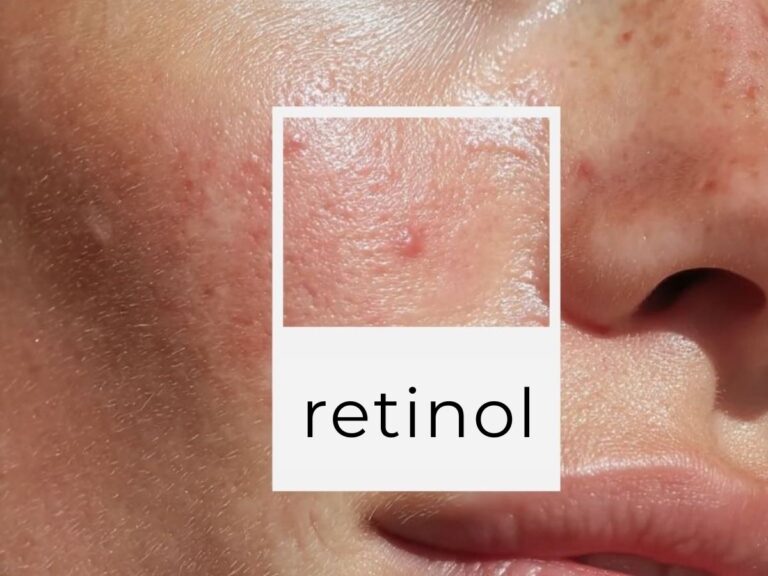
Acne It's a disease of the sebaceous glands and hair follicles that occurs when excess sebum, dead skin cells, and bacteria clog pores. This leads to the formation of inflammatory lesions—blackheads, pustules, and papules.
Teen acne It occurs in teenagers and is a result of hormonal changes during puberty. Increased androgen production stimulates the sebaceous glands to produce more sebum. Lesions appear primarily in the T-zone—on the forehead, nose, and chin.
Symptoms of teenage acne:
Adult acne It affects people over 25 and often has a hormonal basis – related to the menstrual cycle, stress, or endocrine disorders. Lesions are usually located on the lower part of the face – on the cheeks, jawline, and neck.
Rosacea Rosacea is a chronic inflammatory disease affecting the blood vessels of the skin. It is characterized by redness, visible capillaries, and acne-like lesions. Unlike acne vulgaris, it does not cause blackheads. Factors such as spicy foods, alcohol, stress, and extreme temperatures can exacerbate symptoms.
AZS, or atopic dermatitis It's a chronic inflammatory disease with a genetic and immunological basis. The skin's protective barrier is weakened, leading to moisture loss, dryness, and susceptibility to irritation. Atopic skin care requires the use of emollients and avoidance of irritants.
Main symptoms of atopic dermatitis:
Psoriasis It's a chronic autoimmune disease in which the immune system attacks its own skin cells. This leads to excessive keratinocyte proliferation and the formation of thick, scaly patches. Lesions most commonly appear on the elbows, knees, scalp, and lower back. The disease is recurrent, with periods of flare-ups alternating with periods of relief.
Seborrhea It's a condition in which the sebaceous glands produce excess sebum. This leads to shiny, oily skin, enlarged pores, and a tendency to develop blackheads. It can be the result of genetic predisposition, hormonal imbalances, or improper skincare.
Seborrheic dermatitis of the scalp It's a chronic inflammatory disease associated with excessive sebum production and the action of the Malassezia yeast. It manifests as flaking, itching, and redness of the skin, particularly on the scalp, eyebrows, and around the nose.
Pigmentation disorders They involve abnormal production of melanin – the pigment responsible for skin color. These can include both hyperpigmentation (excess melanin) and hypopigmentation (deficiency).
Discoloration These are darker areas of the skin resulting from excessive melanin production. There are several types, depending on the origin and source of the problem.
Types of discoloration:
Albinism Vitiligo is an autoimmune disease in which melanocytes—the cells that produce melanin—are destroyed. This leads to the formation of white, depigmented patches on the skin. These patches can expand and merge, creating larger areas of discoloration. The disease has a genetic and immunological basis.
Vascular problems concern dilated, weakened or damaged blood vessels in the skin. Capillary skin requires special care and avoidance of factors that increase redness.
Broken capillaries on the face These are visible, dilated capillaries that form a distinctive spiderweb-like pattern. They result from weakened capillary walls and can be caused by genetics, sun exposure, rosacea, or excessive corticosteroid use. In our skincare routine, we recommend ingredients that strengthen capillaries, such as niacinamide and vitamin C.
Erythema is redness of the skin caused by dilation of blood vessels. It can be transient (e.g., after exercise or stress) or chronic (as in rosacea). Redness most often appears on the cheeks, nose, and chin. Research shows that chronic inflammation leads to permanent structural changes in the skin's blood vessels—dilation and weakening of their walls.
Skin aging It is a natural process, but its pace also depends on external factors – sun exposure, pollution, stress, diet and beauty habits.
Wrinkles They arise from the degradation of collagen and elastin—proteins responsible for skin structure and elasticity. Their production declines with age, leading to loss of firmness, sagging skin, and the formation of facial wrinkles. UV radiation accelerates this process by destroying collagen fibers.
Causes of loss of firmness:
Dehydration This is a condition in which the skin loses its ability to retain moisture. This leads to dryness, roughness, and increased sensitivity. Sensitive skin care requires the reconstruction of the hydrolipid barrier and the use of soothing ingredients. Sensitive skin It reacts with irritation to many factors – detergents, temperature, cosmetics. Our formulas are designed to minimize the risk of allergic reactions and irritation.
Skin infections They are formed when microorganisms – bacteria, viruses, fungi or parasites – penetrate the skin barrier.
The most common skin infections:
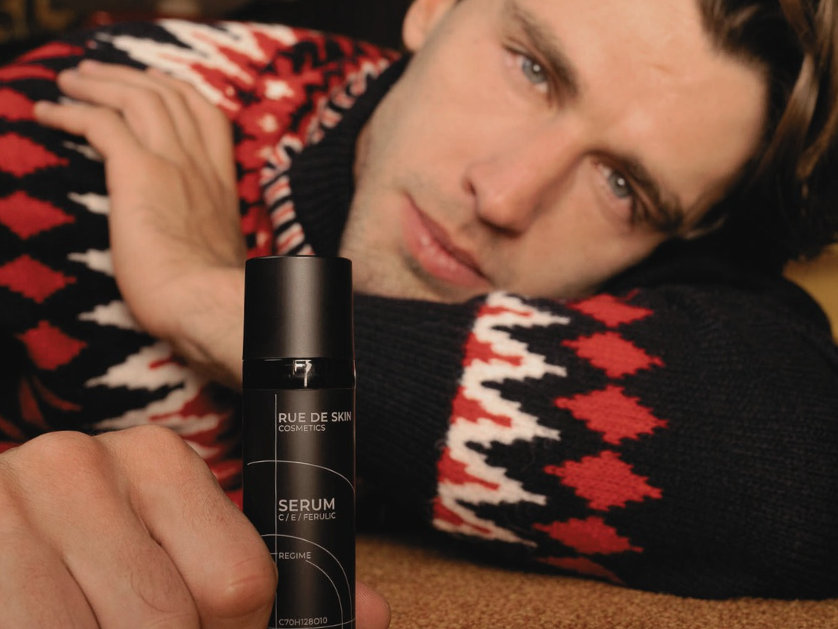
Our professional Rue de Skin cosmetics are designed for demanding skin—sensitive, reactive, and those struggling with various dermatological issues. Formulas based on high concentrations of active ingredients support regeneration, soothe inflammation, and rebuild the skin's protective barrier. Take care of your skin today—check out our products and choose those that best suit your skin's needs.
Footnotes: