
Mattifying powder, wipes, sebum-controlling foundation—and yet my forehead is shiny again by noon. Dull skin is the goal of many people, but most attempts end with quick fixes that mask problem, instead of him solve. True dullness begins not in the makeup bag, but in the bathroom – with thoughtful skincare. How do you build a routine that will keep your skin shine-free for longer? Find the answers below!
What you should know about mattifying skin without makeup:
Matte skin i healthy appearance They're not the same, although one doesn't exclude the other. Healthy skin has a natural, delicate sheen resulting from proper hydration and a functioning protective barrier. This is known as a glow, which gives the face a fresh and younger appearance. The problem arises when the glow turns into an oily film, especially on the forehead, nose, and chin – a sign of overactive sebaceous glands.
Striving for perfectly matte skin can be just as harmful as ignoring excess shine. Skin without any shine looks flat, gray, and unhealthy. The goal should be balanced matting – controlling excess sebum while maintaining natural radiance. This balance makes skin appear both matte and radiant.
Shiny skin, despite careful makeup application, usually stems from several overlapping causes. The sebaceous glands produce sebum continuously, and under layers of foundation and powder, this process doesn't slow down—quite the opposite. Occlusive makeup formulas can trap heat on the skin's surface, which additionally stimulates sebum secretion. Then there's sweat, which mixes with sebum and cosmetics, creating a visible film.
The second common cause is inappropriate care base Under makeup. If skin isn't well moisturized, it tries to protect itself with increased sebum production. Makeup applied to such skin slides off more quickly. Paradoxically, people who skip moisturizing for fear of extra shine actually achieve the opposite effect.
Regular care addresses the causes of shine, not just the symptoms. Sebum-regulating ingredients, such as niacinamide and zinc PCA, gradually normalize sebaceous gland function. Studies have shown that niacinamide at a concentration of 5-10% reduces sebum production after just a few weeks of use. Concentrated niacinamide serum When applied in the morning under the cream, it makes a visible difference in the amount of sebum on the skin surface.
Moisturizing is the second element that many people lack in their mattifying routine. compensates for the lack of water with increased fat production – it's a defense mechanism that leads to even more intense shine. moisturizing cream with ceramides Its gel-like consistency provides hydration without weighing down the skin. Ceramides strengthen the hydrolipid barrier, allowing the skin to better retain water and avoid compensating for it with excess sebum.
Cleansing is a step that directly affects the dullness of your skin for the rest of the day. Over-cleansing disrupts the lipid barrier and triggers a defensive reaction from the sebaceous glands. Natural facial cleansing gel With gentle plant ingredients, it effectively removes sebum and impurities without drying out. It's also important to only wash your face in the morning and evening – additional washing during the day won't help and may worsen the problem.
Moisturizing after cleansing completes the entire process. Apply a niacinamide serum to damp skin, followed by a light cream. This sequence ensures active ingredients penetrate deeper and work more effectively. The mattifying effect doesn't appear immediately – it takes 2-3 weeks of regular use for the sebaceous glands to begin functioning normally.
Beyond daily skincare routines, there are several proven methods for promoting a matte, glowing complexion. Many of these involve daily habits that are easy to implement at no extra cost.
Habits that support matte skin:
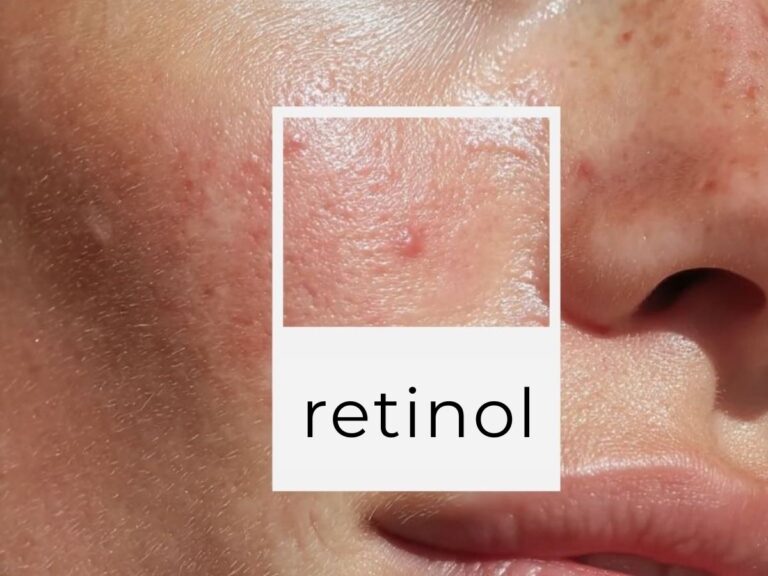
Retinoids are another tool in the fight against excessive shine. They normalize the keratinization process, accelerate cell renewal, and over time reduce the appearance of pores. Retinyl In its gentle form, it's suitable for gradual introduction into your evening routine. It's best to start with twice a week and slowly increase the frequency, observing your skin's reaction.
Masks are an intensive addition to your weekly routine, not its foundation. Kaolin and ghassoul clay absorb excess sebum and cleanse pores without irritating. Used weekly, they help maintain skin's balance.
Activated charcoal masks work similarly, but may be too intense for sensitive skin. When choosing a mask, it's worth checking whether the formula also contains moisturizing ingredients – the mattifying effect alone without hydration is short-lived. You can read more about mask types and how to choose the right one in our guide on how to choose one. homemade and ready-made masks.
An effective mattifying routine consists of a few simple steps, performed morning and night. The plan below combines cleansing, moisturizing, and oil-regulating ingredients into a cohesive whole.
Step-by-step morning mattifying routine:
In the evening: thorough cleansing, retinoid (2–3 times a week), moisturizing cream.
Once a week: a clay mask for the areas most prone to shine.
In our offer you will find facial care cosmetics selected so that the individual products complement each other and enhance each other's action.
Some skincare and beauty habits actually exacerbate shine rather than control it. Avoiding these mistakes is half the battle in achieving matte skin.
Habits and products that worsen dull skin:
It is also worth paying attention to water temperature for washing your face Hot water dilates blood vessels and stimulates the sebaceous glands. At Rue de Skin, we focus on formulas that gently and gradually regulate skin function, without aggressive degreasing. This approach produces longer-lasting results than occasional mattification with powder or wipes.
They can, if they contain alcohol or strong astringent ingredients without moisturizing. Choose mattifying products with niacinamide and hyaluronic acid – these regulate sebum without drying out.
Glow is an even, delicate sheen across the entire face. Excess sebum appears primarily on the forehead, nose, and chin, and increases as the day progresses.
Yes – light, gel formulas with SPF are better for the day, and a richer cream with ceramides or retinoids to support regeneration at night.
Reach for lightweight moisturizing ingredients like hyaluronic acid and glycerin. They hydrate the skin from within without leaving a greasy film on the surface.
Footnotes: