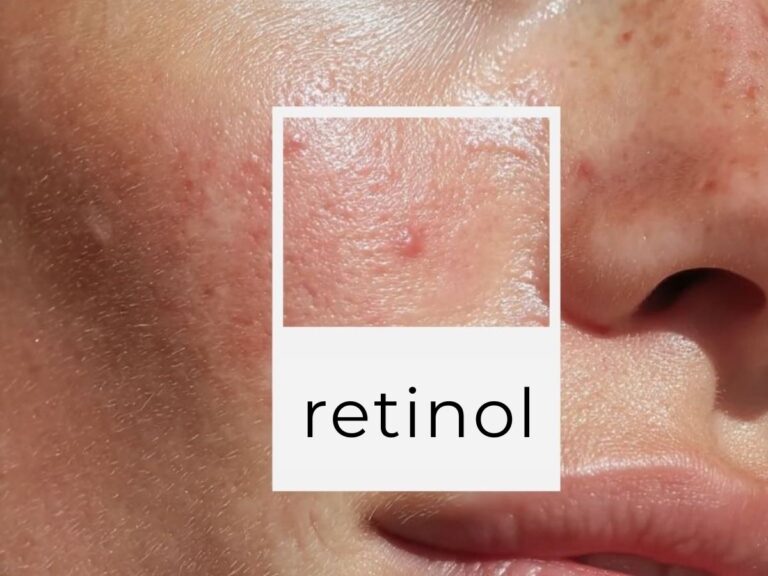

Although skin care has gained importance in recent years, the topic of excessive sebum production in men is still marginalized. Meanwhile, oily, shiny skin, prone to blackheads and inflammation, is a real, everyday problem that doesn't just affect adolescence. Men in their thirties are increasingly seeking solutions—effective, yet comfortable, and don't overload the skin.
Are there cosmetics that actually work? The answer is yes—provided we know what to look for.

This is no myth. Men's skin differs from women's not only in thickness or hair density, but above all in the activity of their sebaceous glands. Under the influence of androgens, especially testosterone, sebum production is significantly higher. This is why men's skin is more shiny, becomes polluted more quickly, and is more susceptible to acne.
What's more, men's sebaceous glands are larger and more active throughout their lives. This means that even after the age of 30—when acne should be subsiding—oily skin can still be a problem.
Skin balance can also be disrupted by external factors: stress, fatigue, sleep deprivation, and a diet high in simple sugars and saturated fats. Many people underestimate the impact of skincare—or lack thereof—yet overly aggressive cleansing, alcohol-based products, or a lack of moisturizing can all stimulate the skin to produce even more sebum.
Therefore, an effective strategy is not to „dry” the skin, but to normalize it: regulating sebum without disturbing the natural protective barrier.
Niacinamide (vitamin B3) has been a focus of dermatologists and cosmetologists for years. And for good reason – it's a substance whose effects encompass both prevention and therapy. It supports the skin in regulating sebum production, reducing inflammation, and rebuilding the hydrolipid barrier. In men's skincare – where skin can be thicker, more reactive, and produces more sebum – its presence in cosmetic formulas is often crucial.
Niacinamide has an effect on several levels of skin functioning:
Thanks to these properties, niacinamide is both gentle and effective – it can be used even by people who have undergone dermatological procedures, making it an exceptionally versatile ingredient in dermocosmetics.
Research by Woźniacka et al. (2022) indicates that regular use of niacinamide reduces the risk of acne breakouts and reduces the visibility of pores. Importantly, it is well tolerated even by reactive skin and can be used after cosmetic procedures.
Research by Draelos (2006) shows that niacinamide at a concentration of 2–10% can effectively reduce sebaceous gland activity and sebum production. It's worth emphasizing that it doesn't act as an aggressive dehydrator. It doesn't block the skin's physiological functions, but rather gently balances them. This makes it an ideal ingredient not only for treating acne but also for preventing shiny skin, enlarged pores, and irritation.
Excessive sebum secretion is often associated with enlarged pores – commonly known as sebaceous gland openings. Niacinamide, by regulating keratinization and sebaceous activity, reduces their visibility. Skin appears smoother, more matte, and less "clogged." This effect not only improves appearance but also reduces the risk of blackheads and comedones.
Conscious skincare doesn't have to mean a multi-step ritual. For oily and reactive skin, precise action is key – based on ingredients that simultaneously regulate, soothe, and support the protective barrier.
One of such products is the Niacinamide Serum from the line Regime. This cosmetic is designed for demanding skin: oily, prone to imperfections, but also sensitive to aggressive substances.
A good serum with niacinamide It should contain 10% niacinamide, an ingredient that regulates sebum production, reduces the appearance of pores, and has anti-inflammatory properties. The formula also includes:
All this in a light, quickly absorbing consistency – ideal for morning and evening use, even after aesthetic medicine treatments.
The result? Visibly calmer skin, reduced sebum production, and less inflammation—without a feeling of tightness or stickiness. A simple choice for those who expect specifics, not promises.
In addition to professional treatments, daily care plays a key role in the fight against oily skin. It's worth paying attention to:
Oily skin needs lightweight formulas that won't clog pores. Sample morning routine:
Skin regenerates most intensively in the evening. It's worth focusing on:
It's important to remember that the condition of your skin reflects your overall health. It's worth paying attention to:
Instead of fighting it, it's worth cooperating. Oily skin doesn't have to be a death sentence or a cause for frustration. It's a signal that can be understood and balanced with appropriate action. Modern dermocosmetics – such as Rue de Skin – not only address the needs of men's skin, but do so with precision and respect for its biology.
The results? Fewer imperfections, a more matte and calm complexion, less need for concealment. And more comfort – every day.
Footnotes: