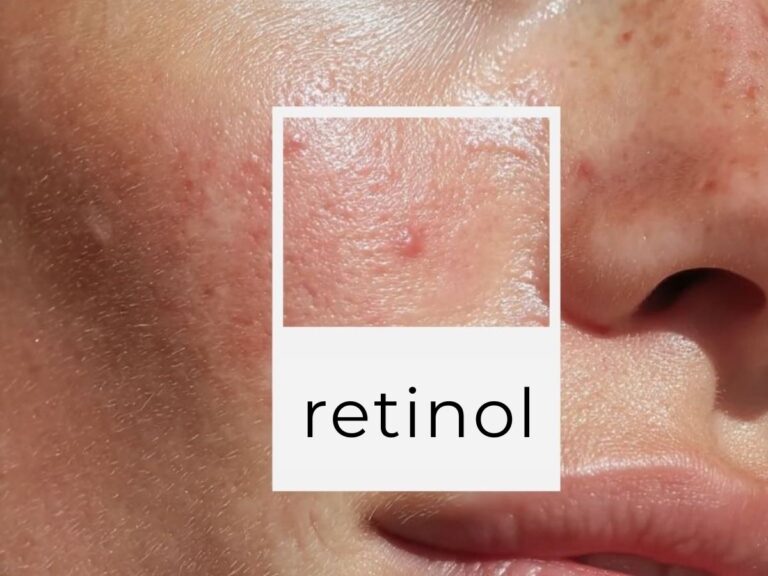

Red spots, burning, and itching—these are symptoms familiar to many people with sensitive skin. Most people think irritation is a genetic predisposition, but the truth is different. Most skin problems stem from how we care for our skin on a daily basis. How can we avoid irritation? Cosmetics brand is important, but a conscious routine is equally important. Just a few changes to your daily care routine and your skin will begin to regenerate in just a few weeks!
Before we start looking for solutions, we need to understand where the irritations are coming from. It turns out that we often make them ourselves. We use too many products at once, choose cosmetics full of irritating additives that our skin doesn't need, or we apply them in the wrong order.
The most common causes are alcohol in cosmetics, strong preservatives, synthetic fragrances, and ingredients too aggressive for our skin type. Problems also arise when we mix products that don't work well together, causing skin to protest with redness and discomfort.
Main causes of irritation:
Allergic skin is different from sensitive skin. An allergy is a specific immune system response to a given ingredient, while a sensitivity is a more general tendency to irritation. It's important to understand this difference.
If your skin reacts quickly to a new product, experiencing burning, itching, swelling, or a rash within minutes, it's likely an allergy. Such reactions require immediate discontinuation of use, rinsing with cool water, and occasionally consulting a specialist. Allergic skin requires a particularly cautious approach.
Sensitive skin works differently – it responds more to changes in the environment, temperature, stress, or products, but without such an explosive outburst. It requires more gentle products and systematic care, but usually tolerates a basic routine better if it's well-balanced.
Facial inflammation is a problem familiar to those with reactive skin. Red spots appear after changes in weather, stress, food we eat, or simply because we're predisposed to such skin reactions. The good news is that they can be avoided by following a few simple rules.
The first rule is to stop experimenting with five new products at once. The second is to focus on strengthening the skin barrier, which is your first line of defense. The third is to introduce ingredients with soothing and regenerative properties. Inflammation is best reduced through systematic, well-chosen care.
Inflammation is reduced by:
Couperose skin is characterized by visible, tiny blood vessels on the face, usually on the cheeks and nose. They appear as small, red veins just beneath the skin. People with this skin type also have a general flushed appearance, and the skin appears slightly red all the time. This can sometimes be accompanied by a burning sensation or irritation, especially after using inappropriate products.
What does vascular skin look like? – that's one thing, but the most important thing is to understand that this is simply a skin type that requires a more gentle approach. People with vascular skin have more reactive blood vessels, so temperature, fragrances, alcohol, and other irritating ingredients have a greater impact. Care should be gentle and free from unnecessary experiments.
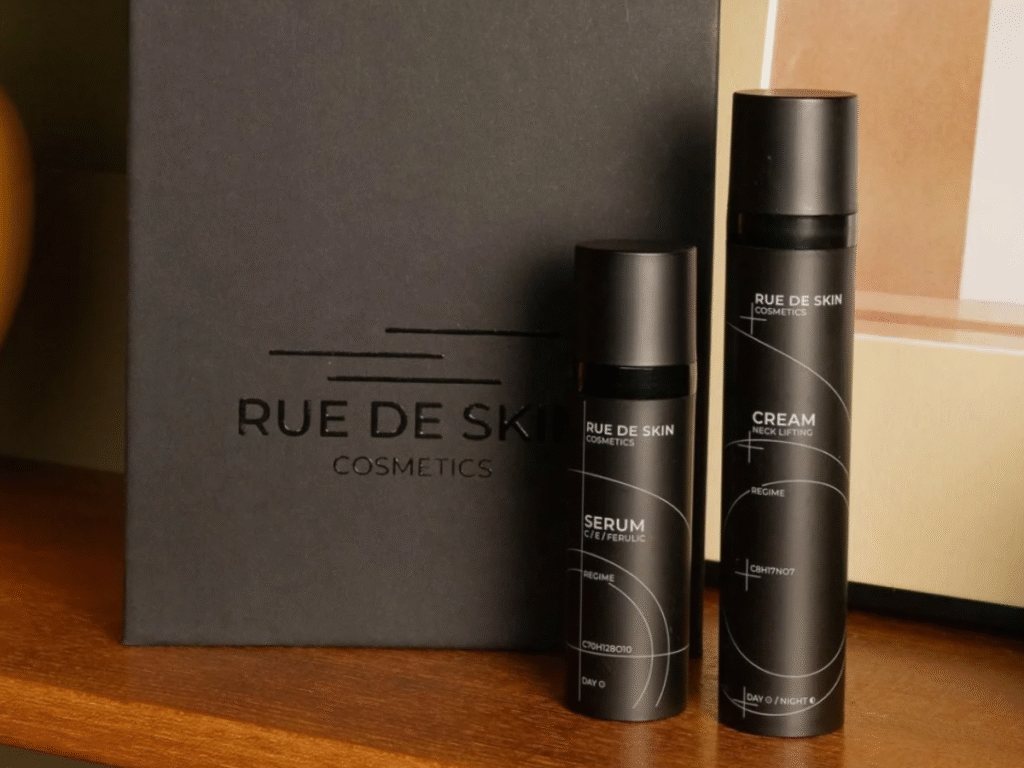
Conscious skincare is simply a sensible approach to what we put on our faces. We choose products based on their actual performance, not just on packaging or trends. This means knowing what's in them and why we're using them.
In our brand we believe that daily facial care It should be a simple, effective routine, not a complicated process of testing dozens of products. Professional skincare products for sensitive skin contain high concentrations of active ingredients, are based on scientific research, and are free from unnecessary irritating additives. They support natural regenerative processes rather than promising impossible results.
If you are just starting out with skin care, the principle is simple: cleanse, moisturize, protect. This is enough to build a solid foundation for healthier skin.
The order matters because products must be applied in a specific order to work effectively on the appropriate skin layers. Using cosmetics haphazardly reduces their effectiveness and increases the risk of irritation.
Facial care sequence It should look like this: first, you remove dirt and impurities with a gel, then apply a serum with active ingredients, and finally, apply a protective cream. Each product should be allowed to absorb for a moment before applying the next one – at least 30-60 seconds between layers makes a significant difference. Start with facial cleansing gel for vascular skin, then apply serum, finally apply cream with ceramides. This simple regimen minimizes the risk of irritation.
Panthenol, provitamin B5, is one of the most researched and effective ingredients for soothing irritation. It penetrates the deep layers of the skin, supporting its natural regeneration, and reducing feelings of discomfort and burning. If your skin is red and irritated, panthenol is just what it needs.
Panthenol works best at a concentration of at least 2-3 percent to see real results. It delivers best results when combined with other soothing ingredients, such as niacinamide Whether vitamin E for the face. These combinations provide solid support for the skin's regeneration process and inflammation relief.
Avoiding irritation starts with changing your skincare habits. Your skin needs time and consistency to regenerate. Ceramides, panthenol, and niacinamide are ingredients that really work. Instead of looking for a breakthrough, focus on skincare that supports natural regeneration. After a few weeks, you'll notice fewer irritations and your skin feels significantly better.
If burning, itching, redness or a rash occurs within a few minutes to a few hours of application, this is a signal to discontinue use of the product.
Not always – these may be dilated blood vessels, broken capillaries or signs of stress, but if they appear with burning and itching, it is more likely irritation.
Denatured alcohols, synthetic fragrances, certain preservatives, and for some people, niacinamide in too high a concentration at the initial stage of use.
Usually 2-4 weeks with proper care, but if the irritation was intense, the process may take 6-8 weeks.
Footnotes: