Free delivery from 490 PLN

Solarium and skin aging 

Obraz przedstawia wnętrze łóżka na solarium, która jest oświetlona pomarańczowym światłem.

Tanning beds remain popular, especially during the winter months when natural tans fade. Radiant, golden skin is associated with attractiveness and health, but the long-term consequences of frequent tanning sessions can be irreversible. Is a temporary tan worth the risk?

Na obrazie widoczne jest zbliżenie dolnej części twarzy i szyi osoby, skupiające się na ustach i butelce z kosmetykiem trzymanej blisko twarzy. Butelka jest czarna z białym napisem „RUE DE SKIN COSMETICS” oraz „SERUM C | E | FERULIC”.

Exposure to artificial ultraviolet (UV) radiation is one of the most serious factors accelerating skin aging. It affects skin structure at the cellular level, leading to loss of firmness, wrinkles, discoloration and pigmentation disorders.

How does UV radiation in a solarium affect the skin?

UV radiation is one of the main causes of photoaging—the premature aging of skin caused by exposure to the sun or artificial radiation sources. Tanning beds primarily use UVA radiation, which penetrates deeper than UVB radiation and causes degradation of collagen and elastin fibers. Here are its most important effects:

  • Collagen and elastin damage These structures are responsible for skin firmness. Their degradation leads to sagging, wrinkles, and loss of elasticity.
  • Deepened wrinkles – UVA accelerates the aging process, making the skin thin and more prone to wrinkles.
  • Discolorations and pigmentation spots – excessive melanin production caused by UV radiation causes uneven spots to appear on the skin.
  • Excessive dryness of the skin – UV radiation weakens the hydrolipid barrier of the skin, leading to its dehydration and greater susceptibility to irritation.
  • Broken capillaries and redness – weakening of the walls of blood vessels may lead to their dilation and permanent vascular changes.

Free radicals – the hidden enemies of young skin

One of the most dangerous mechanisms accelerating skin aging due to tanning beds is oxidative stress caused by free radicals. These are unstable molecules formed by UV radiation and cause cellular damage. Free radicals attack DNA, lipids, and skin proteins, accelerating degenerative processes and reducing the skin's ability to regenerate.

Research shows that UV exposure causes increased production of reactive oxygen species (ROS), which not only damage cells but also trigger inflammation, accelerating the skin's aging process. Furthermore, skin exposed to UVA radiation for years has a reduced ability to neutralize free radicals, causing it to age faster and lose its ability to regenerate.

Read more: Free radicals and skin aging

Solarium and the risk of skin cancer – facts that cannot be ignored

W lewej części zdjęcia ukazana jest twarz mężczyzny schylona do ramienia kobiety. Mężczyzna w ciemnej brodzie i nagim torsie. Zdjęcie pokazuje kawałek ust, szyję i jedno ramię kobiety. Kobieta ma na sobie białą bluzkę z odkrytym ramieniem.

UV radiation emitted by tanning beds has been classified as a top-class carcinogen by the World Health Organization (WHO). This means there is clear scientific evidence confirming its harmful effects on health. Regular use of tanning beds significantly increases the risk of skin cancer, including the most aggressive form, melanoma.

Melanoma – the most dangerous skin cancer

Melanoma is one of the most malignant skin cancers, characterized by rapid growth and high mortality, especially if detected late. The statistics are alarming – people who use tanning beds before the age of 35 have a 75% higher risk of developing melanoma. Each subsequent tanning bed visit further increases this risk, as UV radiation causes cumulative damage to the DNA of skin cells.

How does UV radiation lead to cancer?

UVA and UVB radiation damage the DNA structures of skin cells, leading to mutations and the uncontrolled growth of cancer cells. This damage is cumulative – the more frequent exposure to UV radiation, the greater the risk of cancer. Moreover, the first symptoms can appear even decades after starting regular tanning salon visits.

Not just melanoma – other skin cancers caused by tanning beds

Although melanoma is the most serious skin cancer, using a tanning bed also increases the risk of basal cell carcinoma and squamous cell carcinoma.

  • Basal cell carcinoma – the most common skin cancer, which, although it develops slowly, can lead to serious deformities and, in advanced cases, require invasive surgical treatment.
  • Squamous cell carcinoma – often appears on skin exposed to intense UV radiation and in some cases may lead to metastasis.

Who is most at risk of skin cancer?

The risk of skin cancer associated with tanning beds is particularly high in people:

Related products

  • with fair skin and freckles,
  • prone to sunburn,
  • with a family history of skin cancer,
  • regularly using solariums from a young age.

However, it is worth emphasizing that even people with a darker skin phototype are not completely immune to the harmful effects of UV radiation.

How to protect your skin against photoaging?

Obraz przedstawia dwa czarne butelki serum do pielęgnacji skóry marki "RUE DE SKIN COSMETICS". Butelki są ustawione na teksturowanym tle przypominającym skałę.

Although skin damage caused by UV radiation is largely irreversible, there are steps you can take to help minimize the negative effects of tanning beds and improve your skin's condition.

  • Avoiding tanning beds – the best solution is to completely give up tanning in a solarium in favor of safer methods, e.g. self-tanners.
  • Daily sun protection – use creams with SPF 30 or higher not only protects the skin from photoaging, but also reduces the risk of skin cancer.
  • Cosmetics with antioxidants – ingredients such as vitamin C, vitamin E, niacinamide and polyphenols help neutralize free radicals and support the skin's natural repair mechanisms. Serum with vitamin C, E and ferulic acid strengthen the skin's natural defense mechanisms, reduce discoloration and support its regeneration.
  • A healthy diet rich in antioxidants – Fruits and vegetables rich in vitamins and nutrients can help reduce oxidative stress. You can read more about this here: Does diet affect skin aging?
  • Dermatological treatments – laser therapy, chemical peels and mesotherapy can support skin regeneration and improve its structure after excessive UV exposure.

Line Regime This comprehensive solution is for skin requiring advanced protection and regeneration. Thanks to a combination of active ingredients such as antioxidants, peptides, and moisturizing ceramides, it effectively supports the fight against photoaging, strengthens the skin's protective barrier, and prolongs the effects of professional beauty treatments.

Safe alternatives to tanning beds

Due to the rising incidence of skin cancer, many countries have introduced bans or restrictions on tanning beds, especially for people under the age of 18. Health organizations such as the WHO and the American Academy of Dermatology recommend completely avoiding tanning beds, citing their link to skin cancer and accelerated aging.

For those who want to get a tan, there are safe alternatives:

  • Self-tanners – gradually give the skin a golden tint without the risk of UV damage.
  • Bronzing cosmetics – provide an immediate effect of a healthy tan.
  • Spray tan – a professional treatment that guarantees an even, natural skin tone.

Choosing these methods allows you to enjoy a beautiful appearance without exposing your skin to serious health consequences.

Solarium and skin aging – is it really worth risking your health?

The trend of tanned skin shouldn't overshadow common sense. While the visual effects of tanning beds may be appealing, the health consequences are serious and long-term. Accelerated skin aging, deep wrinkles, discoloration, and an increased risk of cancer are the price many people pay for an artificial tan.

The tan fades, but the effects of tanning beds remain forever. Is it worth risking healthy, youthful skin for a temporary effect?

Footnotes:

  1. LUCHOWSKA, A., SROCZYŃSKA, M., & ŻACZEK, A. (2022). Acne medication as a potential solution for slowing down the aging process – a systematic review. Journal of Education Health and Sport, 13(2), 172-176. https://doi.org/10.12775/jehs.2023.13.02.024 
  2. Malinowska-Borowska, J. and Janosik, E. (2017). Ultraviolet exposure from indoor tanning devices as a potential source of health risks: basic knowledge of the proper use of these devices for practical users, doctors and solarium staff. Occupational medicine. https://doi.org/10.13075/mp.5893.00460 
  3. Wawrzyniak, D., Rolle, K., & Barciszewski, J. (2023). Lycopene – the effect of supplementation on the skin aging process. Advances in Biochemistry. https://doi.org/10.18388/pb.2021_482 
  4. Wojnowska, D. (2013). How to prevent menopausal consequences for skin? Menopausal Review, 1, 69-77. https://doi.org/10.5114/pm.2013.33425

Share:

Instagram
WhatsApp
Pinterest

Read also:

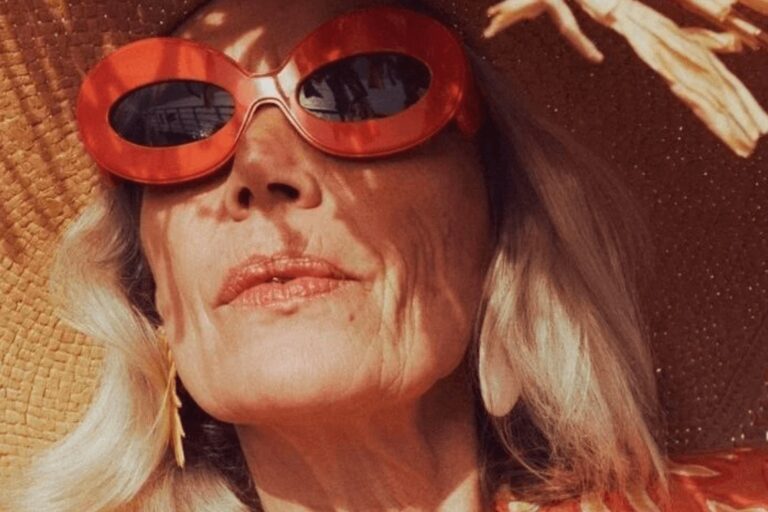
Zdjęcie przedstawia kobietę w blond włosach, czerwonych okularach przeciwsłonecznych i kapeluszu na głowie.
fotoprotekcja co to
Retinyl retinoate
jak zmienia się cera z wiekiem

Products from the regime line

C E FERULIC 1
320,00 PLN
CERAMIDE NG 1
410,00 PLN
nacinamide 1
320,00 PLN
NECK LIFTING 1
350,00 PLN