Retinal and retinol sound almost the same, but they're two substances with completely different potencies. Retinal becomes active in the skin in a single step, while retinol requires several steps—and it's this difference that determines the results. Below, you'll find everything you need to choose the right retinoid for your skin!
Key facts about retinal and retinol:
Retinal (retinaldehyde) is a form of vitamin A that converts directly in the skin into retinoic acid—the active form that acts on skin cells. This is a single conversion step, while retinol requires two. Therefore, retinal works more powerfully and faster at the same concentration. It stimulates cell renewal, accelerates collagen production, and reduces discoloration—many people see results in just 4-6 weeks.
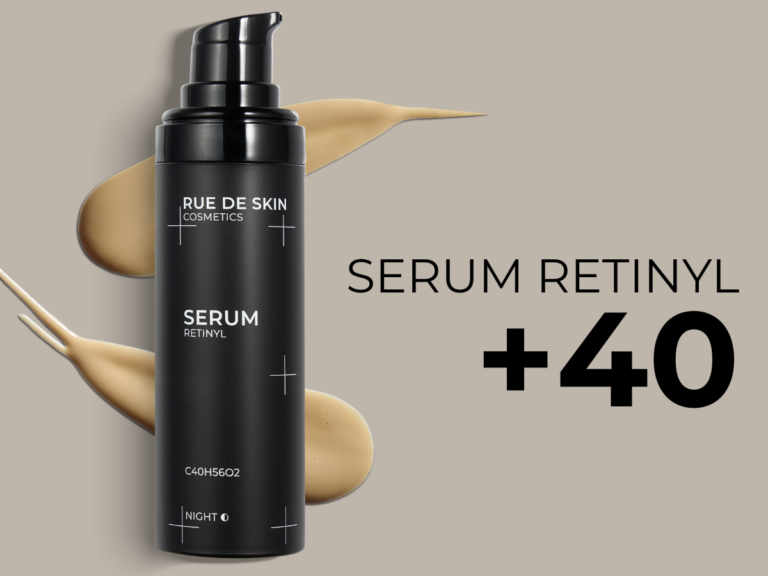
If you are looking for a strong form of retinoid in your daily care routine, you should also consider our retinyl retinoate serum – a formula combining effectiveness with a lower risk of irritation than classic retinal.
Retinol first converts to retinal, and retinal then converts to retinoic acid. Retinal begins this process halfway. In practice, this means four differences:
The "11 times" number comes from studies comparing the effectiveness of both forms in the skin. When you apply a serum with 0.1% retinal and a serum with 0.1% retinol, the retinal—calculated by biological activity—acts as a much higher concentration of retinol. The difference is due to the number of enzymatic steps and their efficiency.
It's important to understand this when choosing a product. Low retinal concentrations can produce results comparable to high retinol concentrations—but with a higher risk of irritation. Therefore, manufacturers use retinal in much lower concentrations: typically 0.025-0.11 TP3T retinal vs. 0.1-11 TP3T retinol.
Retinoids are a family of vitamin A derivatives, ranging from the mildest to the most potent. Each form varies in its speed of action, potency, and risk of irritation.
Retinoid pyramid from weakest to strongest:
Retinol undergoes two enzymatic steps: first to retinal, then to retinoic acid. Retinal begins with the second step – the skin only needs one transformation. Therefore, retinal "delivers" many times more active substance than retinol at the same percentage. fewer conversion steps, the stronger the effect and the higher the risk of irritation.
Retinol is a good choice for those starting out with retinoids. Sensitive or reactive skin adapts more easily, and results are slower, but tolerance is better. The first changes—improved texture and tone—are usually visible after 8-12 weeks of regular use.
Retinal is worth considering if your skin is already accustomed to retinoids and you want stronger results – especially in reducing deeper wrinkles or pronounced discoloration. It's worth remembering: any change in the form of retinoid should start with a low concentration and infrequent use – even if you tolerate retinol well. New formulation = new adaptation period.
Retinyl retinoate is a third option – it offers similar effectiveness to retinal with significantly better tolerability. It's especially recommended for those with sensitive, combination, or post-treatment skin who want the effects of stronger retinoids without the risk of severe skin reactions.
Retinyl retinoate is an ester combining retinol and retinoic acid. After application, the skin gradually releases both substances, providing a two-pronged effect: rapid (from retinoic acid) and long-lasting (from retinol). Studies confirm that retinyl retinoate It provides comparable collagen stimulation to tretinoin, but is much less likely to cause redness, flaking, or burning. It's a viable alternative for sensitive skin – anti-aging effects without the difficult adaptation period.
Classic OTC retinoids have their limitations: retinol acts slowly, retinal is more irritating, and retinoic acid is prescription-only. Retinyl retinoate emerged as a response to this gap – as effective as stronger forms but better tolerated. It is also more chemically stable than retinol or retinal, better withstanding exposure to air and light. Clinical studies confirm a significant reduction in wrinkles and improvement in skin density after 12 weeks, with significantly better tolerability in people with sensitive skin.
Retinyl retinoate differs from retinol and retinal primarily in its mechanism of action and improved tolerability. Instead of a single conversion step, it gradually releases both retinol and retinoic acid—two substances simultaneously. All three forms produce similar results—improving texture, reducing wrinkles, and evening out skin tone—but differ in their route to effect, latency, and risk of skin reactions.
| Retinoid form | Conversion steps | The power of action | Tolerance |
| Retinol | 2 (retinol → retinal → retinoic acid) | Low/Moderate | All right |
| Retinal | 1 (retinal → retinoic acid) | High | Moderate |
| Retinyl retinoate | Dual-track release (retinol + retinoic acid) | High | Good / very good |
The choice depends on your skin's experience with retinoids and your expectations. Beginners should start with retinol – more on that in the article about retinol in daily care. If your skin is already used to it and you want more pronounced results, consider retinal or retinyl retinoate.
Remember to support your skin barrier. Any retinoid—regardless of form—can initially dry out and irritate the skin. Cream with ceramides Applied in the morning, it helps maintain hydration and strengthen the skin's barrier while the skin adapts to the retinoid. Retinoid in the evening, ceramides in the morning – this is a proven combination.
SPF is not optional. Any form of vitamin A increases skin's sensitivity to UV radiation. SPF 50 cream in the morning is a must-have in any retinoid routine – without it, the ingredient speeds up cell renewal, but new cells are more susceptible to sun damage.
Before making a choice, it is worth checking the comparison ceramides vs retinol, and if you care about advanced anti-aging effects – an article about retinyl retinoate advanced care.
Each of these forms has its place. Retinol is a safe start, retinal provides strong results for skin already accustomed to retinoids, and retinyl retinoate offers a balance between effectiveness and good tolerability. The key is to match the current skin condition, not choose the "strongest" ingredient. We created our retinyl retinoate serum for those seeking effective anti-aging therapy, even for sensitive or reactive skin.
Check them out in our store and see how gentle yet effective care can be!
Retinal has a higher irritating potential than retinol because it is more potent at the same concentration – start with low concentrations and use sparingly.
Switching from retinol to retinal is possible – start with a low concentration and gradually increase the frequency.
Retinyl retinoate is an ester that gradually releases both retinol and retinoic acid, instead of a single conversion step like retinal. It offers comparable effectiveness with better skin tolerance.
For OTC effects – retinal or retinyl retinoate, selected according to skin tolerance.
Footnotes: