
As we age, skin changes on many levels – it loses elasticity, becomes drier, and more susceptible to irritation. However, not everyone realizes that mature skin can still struggle with imperfections like acne, discoloration, and inflammation. This combination of skin problems requires a unique skincare approach, combining hydration, anti-aging, and support for blemish-prone skin. So how can we effectively care for mature skin to restore its healthy appearance and balance?

Mature skin is primarily associated with loss of firmness, wrinkles, and dryness, but many people also experience imperfections. Contrary to popular belief, acne isn't just a problem for teenagers—it can also affect people in their 30s, 40s, and even 50s. Mature skin with imperfections often requires special care because its hydrolipid barrier is weakened and its regenerative processes are slower. As a result, skin lesions such as blemishes, papules, and blackheads can persist longer and be more difficult to remove than in younger skin.
Mature imperfections often appear in the lower part of the face – around the jaw, chin, and cheeks. These can be caused by hormonal imbalances, stress, improper skincare, or a poor diet. Understanding the mechanisms that lead to skin changes is the first step to effectively caring for mature skin prone to imperfections.
Why does mature skin become problematic and how can we effectively manage this chronic condition? Find out what you need to know about mature acne and how to control it: Characteristics of mature skin acne
Mature skin imperfections can result from many factors, both internal and external. The most common causes of skin problems after the age of 30 include:
Being aware of these factors allows you to better tailor your care and lifestyle to the needs of mature skin, which can effectively reduce the problem of imperfections.
To effectively care for mature skin prone to imperfections, it is worth implementing a comprehensive skincare routine that supports both regeneration and the fight against imperfections.
Daily cleansing is crucial, especially for acne-prone skin. Mature skin requires gentle yet effective makeup removal and removal of impurities that can contribute to inflammation. Gentle emulsions, sulfate-free gels, and cleansing oils that don't damage the skin's protective barrier work best.
Exfoliation is also crucial – regular use of enzymatic peels or low-concentration AHA and PHA acids helps unclog pores, smooth the skin, and improve its texture. Also read: Proven ways to deal with enlarged pores for mature skin.

Mature skin tends to dry out, which can lead to a weakening of its protective functions and an increased tendency to develop imperfections. Moisturizing should be based on ingredients that support the rebuilding of the hydrolipid barrier and increase the skin's ability to retain water.
It's worth choosing cosmetics containing hyaluronic acid, glycerin, and ceramides, which intensely moisturize and strengthen the skin. Emollients such as squalane and evening primrose oil help protect the skin from moisture loss without clogging pores.
Mature skin care should include ingredients with anti-inflammatory and antioxidant properties. Key substances that support skin regeneration, reduce discoloration, and regulate sebum production include:
Regular use of these ingredients helps even out skin tone, improve its texture and reduce the appearance of imperfections.
UV radiation is one of the main factors accelerating skin aging and exacerbating acne. Daily use of a sunscreen with SPF 30-50 is essential for mature skin with imperfections. Sun protection prevents the development of new discolorations, reduces inflammation, and protects the skin from the harmful effects of free radicals.

A proper diet and lifestyle have a huge impact on the condition of your skin. Foods rich in antioxidants, healthy fats, and vitamins support regenerative processes and help maintain healthy skin. Avoiding excess sugar, processed foods, and alcohol can help reduce inflammation and minimize the appearance of imperfections.
Regular physical activity, adequate sleep, and stress reduction also improve the appearance of skin. Chronic stress leads to increased cortisol levels, which can exacerbate skin problems and accelerate the aging process.
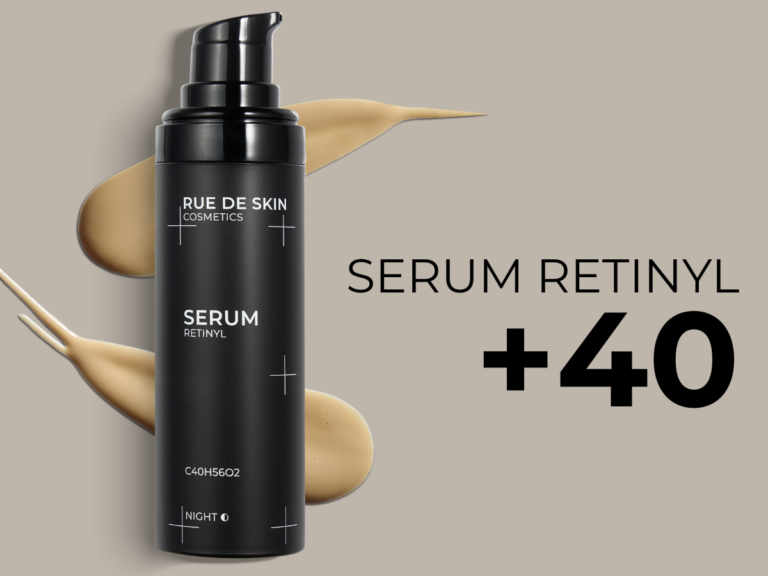
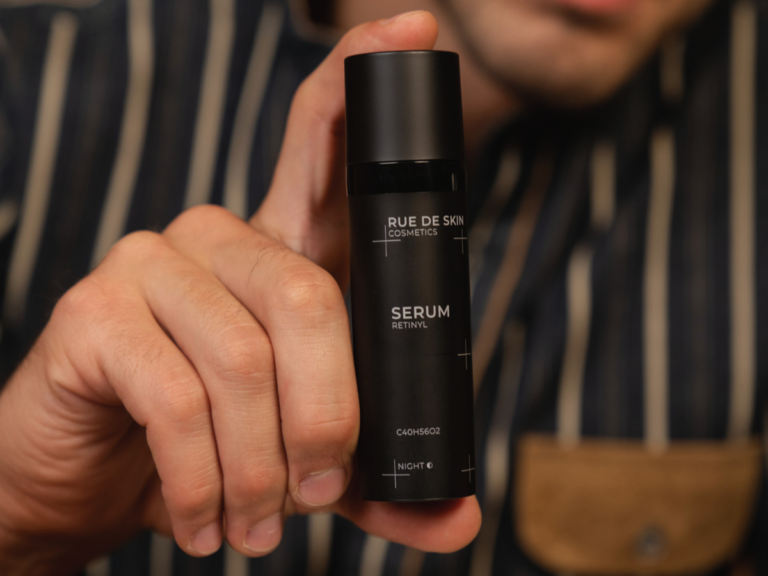
Mature acne requires carefully selected care that simultaneously supports skin regeneration, reduces imperfections, and has anti-aging properties. The perfect solution in this situation is retinyl retinoate serum. The serum's high stability and gradual release of active ingredients enhance the effectiveness of the treatment while minimizing the risk of irritation. Its light, quickly absorbing formula makes it perfect for mature skin requiring gentle yet intensive regeneration.
Retinyl retinoate is a modern form of retinoid that combines the effectiveness of classic retinol with a reduced risk of irritation. It works multifaceted, supporting:
Regular use of Retinyl Retinoate Serum from the line Advanced It's the perfect support for skin struggling with both adult acne and the signs of aging. For best results, incorporate it into your evening skincare routine, remembering to apply SPF during the day.
Caring for mature skin requires a balanced approach, combining moisturizing, anti-aging, and anti-inflammatory benefits. Gentle yet effective cleansing methods, regular moisturizing, and the use of active ingredients that support skin regeneration and reduce acne are key. Sun protection and a healthy lifestyle are essential components of skincare, helping to maintain healthy skin. With consistent and well-balanced care, mature skin can regain its balance and radiant appearance, regardless of any imperfections.
Footnotes: