Time doesn't stand still, and skin after 50 requires a new approach to skincare. Reduced production of collagen, elastin, and hyaluronic acid causes it to become thinner, more susceptible to dryness, and loss of firmness. Proper skincare habits can slow down these processes and keep skin looking radiant and healthy for years to come. What changes should you make to effectively care for mature skin?

After the age of 50, skin requires special care and tailored care to its changing needs. Proper cleansing, intensive moisturizing, the use of active ingredients, and sun protection are the pillars of effective anti-aging care.
Regular exfoliation and support from aesthetic treatments can significantly improve skin firmness and condition. Consistent skincare and choosing cosmetics tailored to individual needs are key. Conscious skincare is the best investment in healthy, radiant skin for years to come.
Mature skin requires gentle yet effective cleansing that removes impurities without damaging its hydrolipid barrier. Overly aggressive cleansing can lead to dryness and increased sensitivity. The following are best:
It is worth avoiding cosmetics containing alcohol and strong detergents, which can lead to irritation.
After the age of 50, skin loses its ability to retain water, leading to dryness, loss of elasticity, and increased susceptibility to irritation. Intensive hydration and rebuilding the hydrolipid barrier become crucial to prevent further skin degradation and support its regeneration. What are the best day and night cosmetics for 50+ skin?
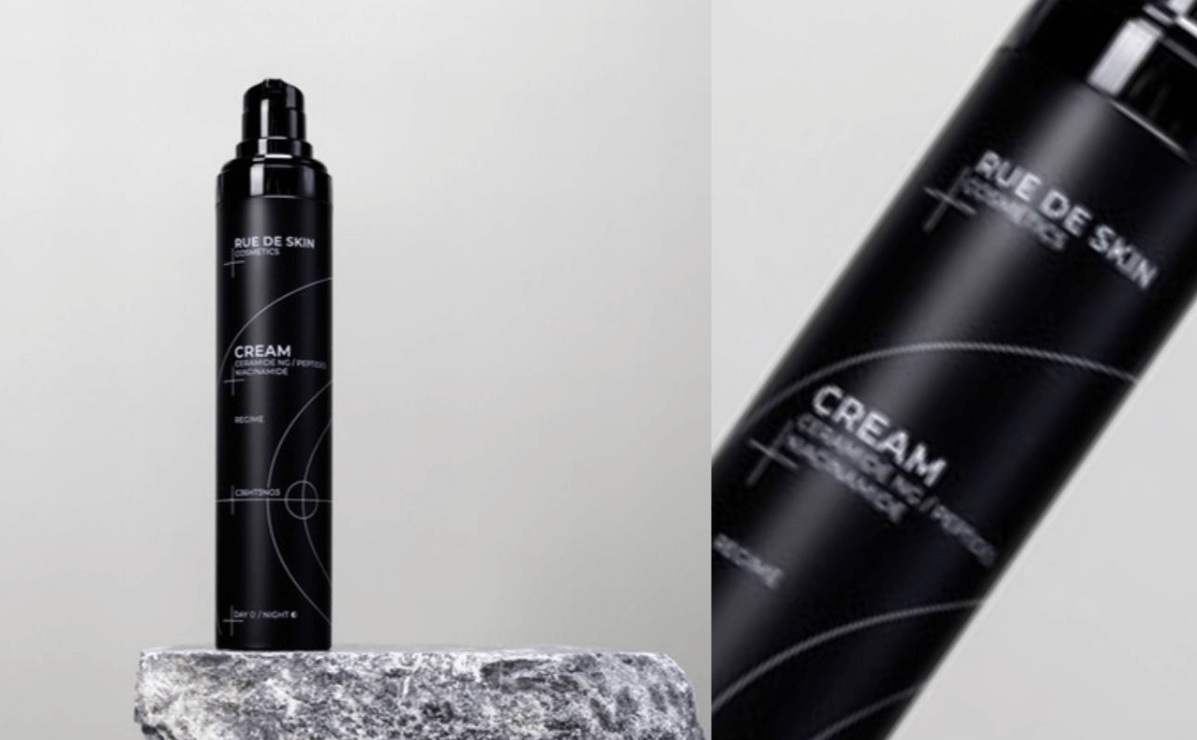
Creams rich in hyaluronic acid, glycerin, ceramides, and squalane help rebuild the skin's protective barrier, preventing moisture loss. Squalane, a natural emollient, helps smooth the skin and protects it from excessive dryness. Hyaluronic acid effectively binds water to the epidermis, providing immediate hydration, while ceramides strengthen the skin's structure, protecting it from external factors.
Read: What are the advantages and disadvantages of hyaluronic acid in 50+ skin care?
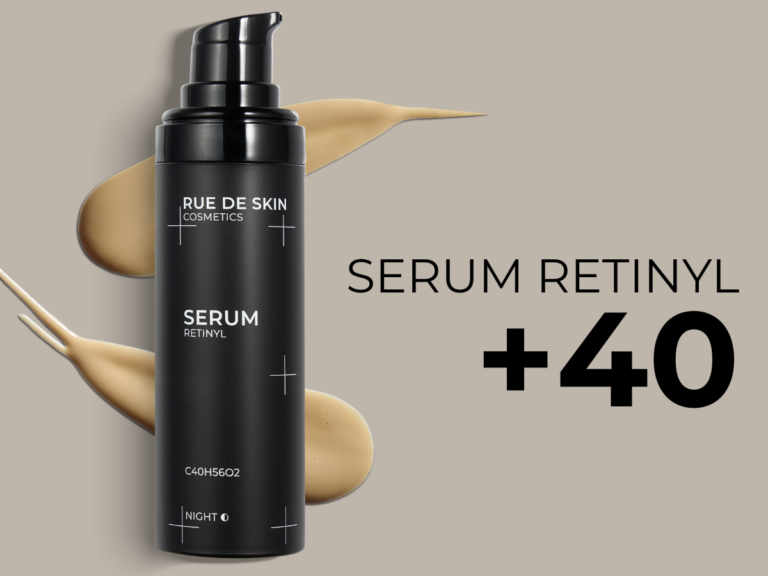
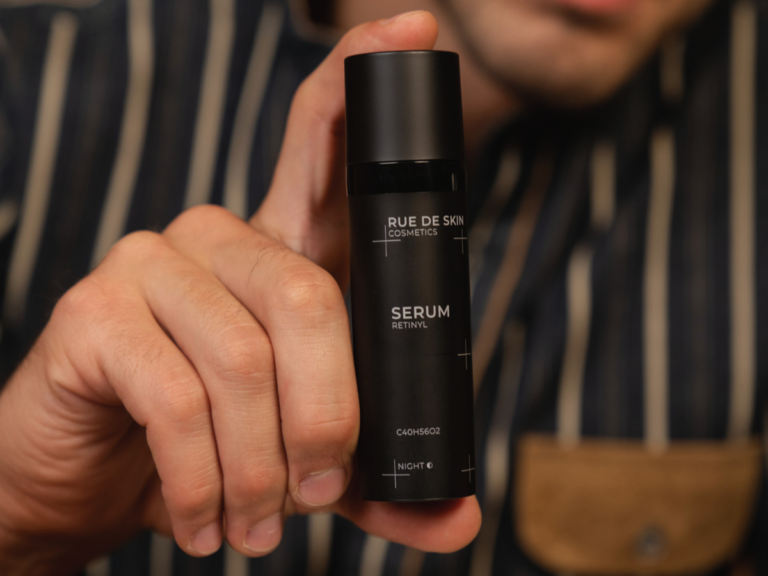
Anti-aging care doesn't end with your chin. Don't forget about your neck – this is where signs of aging often appear first. A facial mask is perfect for this area. neck and décolleté cream with jojoba seed oil, peptides and DMAE, available in the line Regime from Rue de Skin.
This advanced cosmetic product was created specifically for the thin and sensitive skin of the neck, which requires special support after the age of 50. The cream's formula combines moisturizing and restorative ingredients with elasticity-improving ingredients, leaving the skin smoother, firmer, and less prone to sagging.
Introduce this cream into your daily routine to take care of the full contour of your face – not only the oval, but also the neck.
Mature skin needs ingredients that stimulate its natural repair processes and collagen production. It's worth reaching for:
To avoid irritation, it is worth introducing active ingredients gradually, starting with lower concentrations and using them every few days.
AHAs, such as lactic and glycolic acid, help smooth the skin and improve its tone, while PHAs, such as lactobionic acid, gently exfoliate while providing additional hydration. Exfoliating once or twice a week helps maintain healthy skin, preventing roughness and uneven skin tone. Regular removal of dead skin cells makes skin look radiant, firmer, and more responsive to other skincare steps.
A good solution is to use multi-layer cosmetics – a light moisturizing serum under a rich cream effectively retains water in the epidermis and improves skin elasticity. A serum with low-molecular-weight hyaluronic acid can penetrate deeper layers of the skin, while a cream with ceramides strengthens the skin's surface and prevents moisture loss.
In the evening it is worth reaching for vegetable oils, Oils such as rosehip oil, argan oil, and marula oil have nourishing and regenerative properties, supporting the skin's natural regeneration processes. These oils provide unsaturated fatty acids that support cell renewal, replenish lipid deficiencies, and strengthen the skin's natural barrier. Using them in conjunction with moisturizers maximizes their benefits and keeps the skin in optimal condition.
UV radiation is the main cause of premature skin aging, so using a sunscreen with SPF 30 or 50 should be a mandatory part of your daily skincare routine, regardless of the season. Effective sun protection should include not only UV filters but also additional ingredients that support skin regeneration and neutralize free radicals.
Regular exfoliation improves skin texture and facilitates the absorption of active ingredients. After the age of 50, it's best to avoid harsh mechanical exfoliants, which can irritate the skin, and opt for gentler enzymatic or chemical formulas.
Home care can be effectively supported by dermatological and cosmetological treatments, which stimulate skin regeneration and improve its firmness. Needle and microneedle mesotherapy provides the skin with nutrients, improves hydration, and stimulates collagen production.
Properly selected treatments support the effects of home cosmetics and can significantly improve the appearance of the skin, providing long-lasting rejuvenating effects.
Some skincare mistakes can negatively affect the condition of the skin, accelerating the aging process. Skipping sunscreen is one of the most common mistakes that leads to collagen degradation and discoloration. Overly aggressive cleansing weakens the skin's protective barrier, contributing to dryness and irritation.
Lack of proper hydration causes skin to lose elasticity and wrinkles to become more visible. Irregular use of cosmetics limits the effectiveness of skincare, as their effects rely on the long-term action of active ingredients. Using too many active ingredients simultaneously, without properly matching them to the skin's needs, can lead to irritation and a weakening of the hydrolipid barrier.
Footnotes:
1. Sagan, B. and Bernat, M. (2022). Mature skin care. Scientific Papers of the Higher School of Social Sciences in Lublin, 11(1), 177-194. https://doi.org/10.58562/zns.147792.
2. Kaczoruk, M. and Lutomski, P. (2024). Analysis of eating habits presented by members of senior clubs. Environmental Medicine, 26(3-4), 84-92. https://doi.org/10.26444/ms/178477