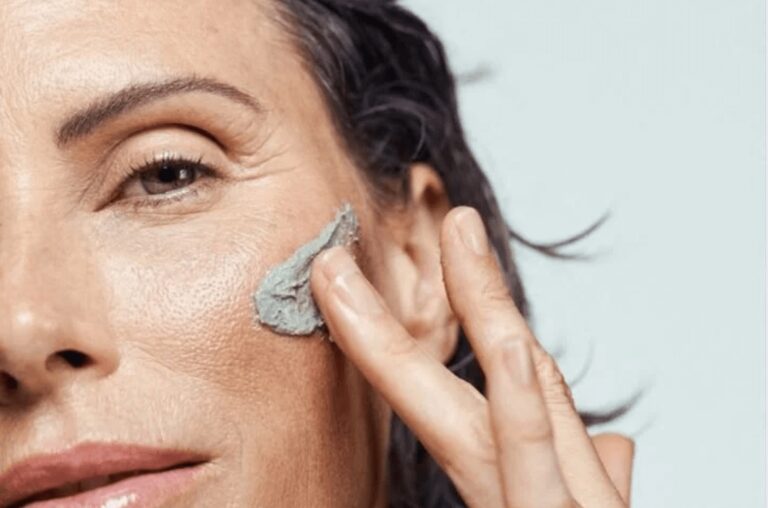

It's impossible to completely stop time, but it can be tricked a bit. Skin, just like us, needs support to maintain a youthful appearance. Key to fighting wrinkles are active ingredients that not only slow down the aging process but also intensely moisturize and regenerate the skin. Among the most effective substances are bioactive peptides, antioxidants, and phytochemicals—true allies in maintaining firm and healthy skin.

Everyone wants to enjoy smooth and firm skin for as long as possible. Unfortunately, wrinkles appear with age – an inevitable sign of aging. But are we really beyond our control? Skin aging is the result of many factors, both those we can control and those encoded in our DNA. It's worth knowing what contributes to wrinkle formation so you can effectively prevent them and slow down the aging process. Read: What are the causes of wrinkles?
Bioactive peptides are small protein molecules that play a key role in improving skin elasticity and reducing wrinkles. Their effectiveness stems from their ability to stimulate collagen synthesis, which is responsible for skin firmness and elasticity (Kordala et al., 2021; Darewicz et al., 2015). Regular use of peptide-containing products can significantly improve the appearance of skin and reduce fine lines and deeper wrinkles.
Peptides also exhibit anti-inflammatory properties, which are particularly important for mature and sensitive skin. They can soothe irritation, reduce redness, and support regenerative processes (Kobusiewicz et al., 2020). Furthermore, some types of peptides, such as copper peptides, additionally stimulate elastin production, improving skin elasticity.
There are various forms of peptides available on the market used in anti-aging cosmetics:
Bioactive peptides are often used in serums, anti-wrinkle creams, and masks, and regular use can significantly improve skin condition. It's important to use them consistently, as their effects are gradual and yield the best results with long-term use.
If there's one ingredient that can truly turn back the clock for skin, it's retinoids. These vitamin A derivatives have long been considered the gold standard in wrinkle reduction. Their action is based on stimulating the skin's intensive regeneration – accelerating cell renewal, stimulating collagen and elastin production, smoothing the skin's surface, and evening out its tone. The result? Younger, firmer skin with fewer wrinkles and discoloration.

Not everyone tolerates traditional retinol well – it can sometimes cause irritation, dryness, and flaking. This is where retinyl retinoate comes in – an innovative form of retinoid that works more effectively, faster, and is gentler on the skin. It combines the power of classic retinoids with gentleness – it can even be used on sensitive skin without worrying about irritation. What's more, it's more stable, so it doesn't lose its properties when exposed to light or air.
The secret to effective retinoid care lies in regularity and proper dosing. Skin needs time to adjust to their effects, so it's best to start with lower concentrations and gradually increase them. It's also important to remember to moisturize thoroughly and use a daily moisturizer. using SPF filters – retinoids make the skin sensitive to UV radiation, and we do not want the effects of their use to be destroyed by the sun.
Antioxidants are compounds that neutralize free radicals, protecting the skin from damage and accelerated aging. Free radicals are produced by metabolic processes and by external factors such as UV radiation, air pollution, and oxidative stress. Excess free radicals lead to the degradation of collagen and elastin, which accelerates the skin's aging process.
For best results, it's best to use antioxidants in both your morning and evening skincare routine. It's recommended to apply them during the day. vitamin C serum before using a cream with a UV filter, which enhances skin's protection against solar radiation. At night, products containing vitamin E, coenzyme Q10, and resveratrol are ideal, supporting skin regeneration and preventing oxidative damage.
Both vitamins strengthen the skin's protective barrier, improving its condition and elasticity (Klewicka, 2012). Antioxidants are present in many cosmetics, such as serums, creams, and facial oils, and their regular use can significantly slow down the skin's aging process.
Phytochemicals are plant compounds with powerful antioxidant properties. They help neutralize free radicals, support collagen synthesis, and improve skin elasticity. Their regular use in diet and skincare can effectively delay the aging process.
To fully utilize the potential of phytochemicals in the fight against wrinkles, it is worth:
Regular use of cosmetics containing phytochemicals and their inclusion in the diet can improve skin structure, increase its resistance to external factors, prevent new wrinkles, and support regenerative processes. This will help skin retain its youthful appearance longer, making it more elastic, moisturized, and resistant to environmental factors.
Choosing the right anti-wrinkle cream for mature skin is crucial to maintaining its health, elasticity, and youthful appearance. Active ingredients that effectively combat the signs of aging and support skin regeneration processes are crucial. It's worth knowing which ingredients have proven anti-wrinkle properties and how to combine them for the best results! Read on to find out: What are the best anti-wrinkle creams for mature skin?

Choosing the right cosmetics is the key to effective anti-aging care. Rue de Skin Cosmetics offers innovative formulas that combine the most effective active ingredients, providing the skin with comprehensive protection and regeneration. Regime you will find a cream with an advanced formula containing jojoba seed oil, sweet almond oil, enriched with dimethylaminoethanol tartrate and peptides. Concentrated active ingredients provide hydration, support the regeneration of the skin's lipid barrier, and contribute to a visible improvement in its elasticity. This cream was developed for daily care of the delicate skin of the neck, ensuring a healthy and younger appearance with regular use. Ideal neck and décolleté cream for people looking for scientifically proven solutions in daily care!
Fighting wrinkles requires consistent care and the use of effective active ingredients. Bioactive peptides help stimulate collagen production, antioxidants protect the skin from oxidative stress, and phytochemicals support regeneration and hydration. When choosing cosmetics, it's worth paying attention to their ingredients and tailoring your care to your skin's individual needs!
Footnotes: