Men's skin can be demanding: on the one hand, it's oily, on the other, it's easily dehydrated. How can you maintain hydration without feeling greasy or heavy? In this article, we'll show you how to effectively moisturize men's skin without compromise—respecting its physiology and needs. With knowledge, not habit.

Moisturizing is still often overlooked, especially in men's skincare routines. Many men skip this step for fear of shiny skin, a feeling of heaviness, or the risk of clogged pores. Others simply consider creams an unnecessary addition—something for women—rather than a real need for their skin. However, a lack of hydration doesn't just cause feelings of discomfort and tightness. It starts a chain of problems—from irritation and hyperreactivity to increased sebum production and worsening acne.
Moisturization isn't a matter of skin type. All skin types need it—dry, combination, or oily. The only difference is how it's delivered. The key is choosing the right active ingredients and formulas that support the physiology of men's skin, not burden it.
Men's skin differs from women's not only in thickness or vascularity. Its structure causes the sebaceous glands to be more active, resulting in greater sebum production. But this doesn't mean the epidermal barrier is stronger. On the contrary, men's skin often suffers micro-damage due to daily shaving, exposure to changing weather conditions, an intense lifestyle, and stress.
The result? It loses water faster than it can retain it. And while it may appear "hydrated"—because it's shiny—it can actually be deeply dehydrated, overreactive, and prone to irritation. Moisturizing in this context isn't a bonus—it's a real need that impacts daily comfort and the long-term health of the skin.
Find out also What are the most common mistakes in mature skin care?j.
In modern dermocosmetics, it's not just the level of hydration that matters, but also the mechanism of action. A good cream should not only deliver water but also retain it in the epidermis and support the protective barrier. Among the most effective ingredients are:
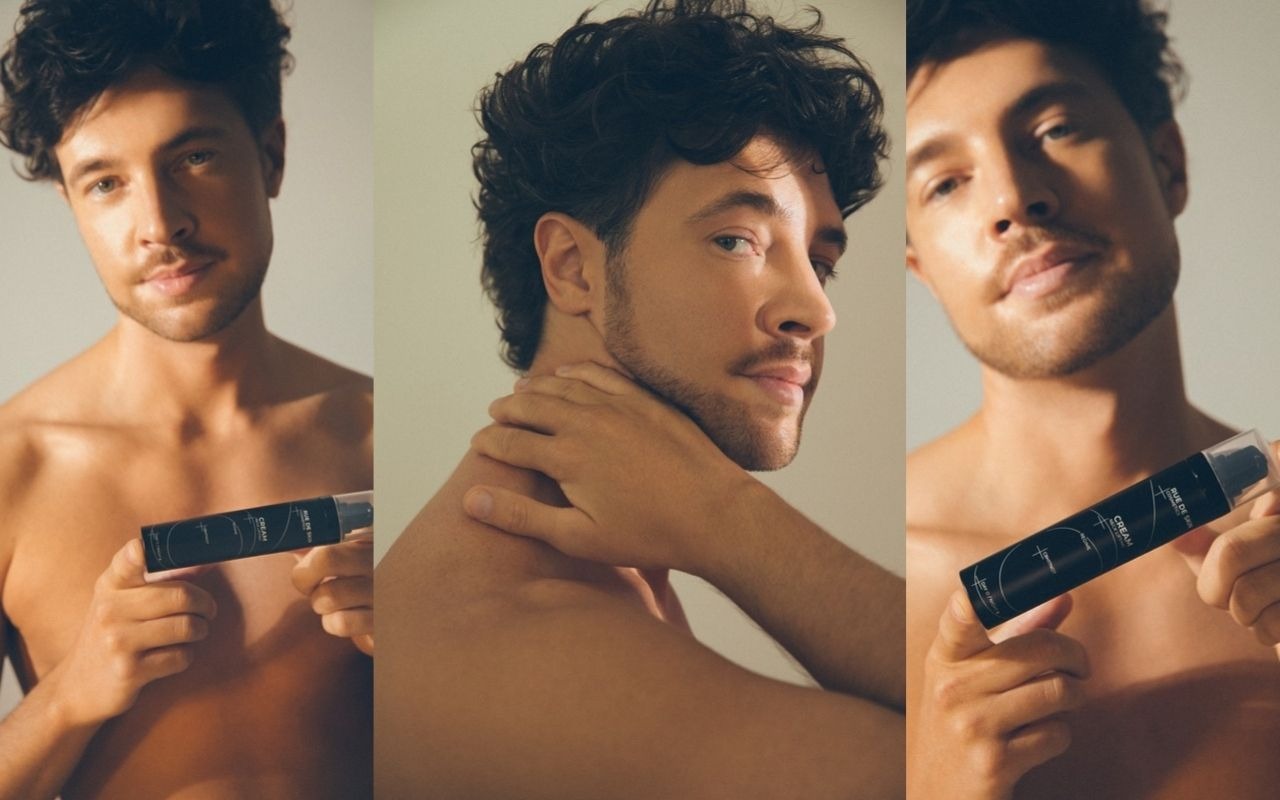
Among the cosmetics developed for demanding skin, it is worth paying attention to: Cream Ceramide NG / Peptides / Niacinamide. This cream, created in the spirit of minimalist dermocosmetics, addresses the three main needs of men's skin: hydration, regeneration, and strengthening the epidermal barrier.
The formula includes:
The cream has a light, velvety consistency that absorbs quickly, without leaving a greasy or sticky residue. It can be used both morning and evening, even after shaving or cosmetic treatments.
Moisturizing isn't just about applying the right cream. It's a lifestyle that supports the skin from the inside and out. In urban environments—with stress, air conditioning, smog, and a fast-paced lifestyle—men's skin is susceptible to chronic dehydration. To effectively support its protective functions, it's worth incorporating a few simple yet effective habits into your daily routine:
It's these simple actions—regular, repeated, daily—that build skin's resilience and increase the effectiveness of any moisturizing regimen. Skin that receives support on multiple levels regenerates faster, is less susceptible to irritation, and maintains a healthy appearance for longer.
Paradoxically, one of the most common causes of oily skin is… dehydration. When moisture is lacking, the sebaceous glands react defensively, producing more sebum to compensate. This leaves the skin looking oily, shiny, and unpleasantly "heavy," even though it actually needs hydration, not further cleansing.
Overly aggressive cleansers, frequent face washing with soap and water, and skipping the cream step in your skincare routine all disrupt the skin's hydrolipid barrier. The result? Skin becomes sensitive, irregularly oily, and more prone to inflammation.
So instead of reaching for drying toners and antibacterial gels, it's better to opt for lightweight, non-comedogenic moisturizers. The ideal formula is one that doesn't clog pores while restoring skin's elasticity and comfort. Moisturizing doesn't mask the problem—it actually solves it.
Evening is when the skin switches to repair mode. Its exposure to environmental factors decreases and the rate of cell renewal increases. This is when it's best to utilize the potential of moisturizing and regenerating ingredients that support the rebuilding of the protective barrier.
After cleansing your skin with a gentle gel in the evening, it's worth reaching for a cream with ceramides and niacinamide. Ceramides strengthen the structure of the epidermis, protecting it from excessive water loss. Niacinamide has anti-inflammatory and brightening properties, and improves skin elasticity.
Cream Ceramide NG / Peptides / Niacinamide from the line Regime It's the answer to the needs of men's skin, which doesn't like compromise: it needs action, but not aggression. It needs hydration, but not heaviness. It needs support – daily, consciously, and precisely.
It's not a ritual—it's a deliberate step that yields noticeable results. Skin becomes more resistant to irritation, redness is reduced, and morning comfort is incomparably greater. Moisturized skin isn't just about appearance—it's a sign of its health and balance.
Contrary to popular belief, effective hydration isn't just a complementary step to skincare—it's its foundation. Well-hydrated skin regenerates better, is more resistant to irritation, and less prone to acne. And above all, it looks healthier.
Footnotes: