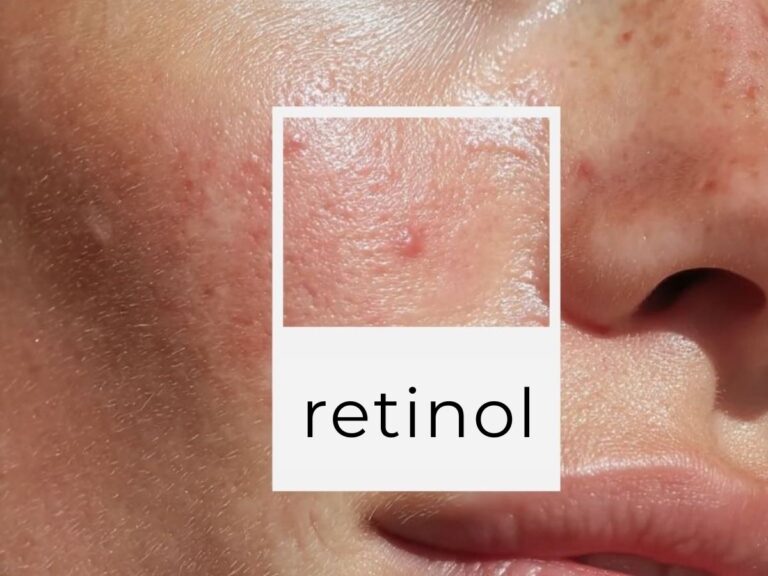
Teenage acne is a problem that affects most teenagers – it appears suddenly, develops rapidly, and can significantly impact self-confidence. The first blackheads, red bumps, and inflammation are signs that the skin needs attention. Find out how to effectively control teenage acne before it leaves permanent scars – care for beginners and professional active ingredients will help!
Acne vulgaris, also known as acne vulgaris, is a chronic skin condition affecting the sebaceous glands and hair follicles. It appears primarily on the face, back, and chest. It is characterized by the formation of comedones, papules, pustules, and inflammation.
The disease is multifactorial – a combination of hormonal changes, excessive sebum production, keratinization disorders, and bacterial inflammation. In most people, it appears during puberty and resolves by the age of 25.
The main cause is hormonal changes during puberty. Increased androgen levels stimulate the sebaceous glands to overproduce sebum. This creates ideal conditions for acne breakouts. Daily facial care Tailored to the needs of young, problematic skin, it can significantly help control symptoms.
Key factors in the development of acne:
Sebum is a natural fat produced by the sebaceous glands. During puberty, its production increases dramatically under the influence of androgens. Excess sebum accumulates in pores, creating blackheads and an ideal environment for bacteria. Problems arise when there is too much of it and it is combined with impaired keratinization.
Not only the quantity but also the composition of sebum is important. People with acne have lower levels of linoleic acid, an unsaturated fatty acid with anti-inflammatory properties. This makes the skin more susceptible to inflammation and irritation.
Cutibacterium acnes is a bacteria naturally found on the skin. It finds ideal conditions for growth in clogged pores filled with sebum. The bacteria break down sebum, releasing fatty acids that irritate the skin and trigger an immune response, leading to the formation of red, painful pimples.
Teenage acne can be exacerbated by many factors. A diet high in simple sugars and dairy products worsens skin condition in some people. Stress increases cortisol levels, which stimulates the sebaceous glands. Improper skincare—overly aggressive washing and the use of heavy, comedogenic cosmetics—also worsens the condition.
Factors that aggravate acne:

Acne vulgaris affects approximately 85-95% adolescents. In most cases, it appears between the ages of 12 and 16, with the onset of puberty. Most cases resolve spontaneously by age 25. However, in some, it may persist longer or recur in adulthood.
Early intervention is the key to success. The sooner proper care begins, the lower the risk of scarring and post-acne discoloration. Young skin has greater regenerative potential. There's no point in waiting for acne to "go away on its own"—even mild lesions require proper care.
Acne is divided into several types depending on its severity.
Subcutaneous acne is an inflammatory lesion located deep within the skin. It doesn't have a visible "head"—it's hard, painful lumps that can be felt beneath the skin. They're more difficult to treat than superficial pimples. Diagnosis is simple: the lumps are painful to the touch, red or skin-colored, and can't be "squeezed.".
Scars form when deep inflammation damages the dermis. They can be atrophic (depressed) or hypertrophic (raised). Prevention is easier than cure, which is why early intervention is so important.
Post-inflammatory hyperpigmentation is the brown or red discoloration that remains after the lesions have healed. They may persist for months but gradually fade. Serum with arbutin effectively illuminates these types of changes. Post-inflammatory hyperpigmentation requires patience and proper care – it is worth familiarizing yourself with this topic.
Young skin care with acne requires a balance between effectiveness and gentleness. Premium cosmetics for problematic skin combine high concentrations of active ingredients with safety for sensitive, young skin.
Basic routine for acne-prone skin:
Natural facial cleansing gel removes excess sebum without damaging the protective barrier. Our niacinamide serum It regulates sebum production, has anti-inflammatory properties, and reduces redness. Our products contain optimal concentrations of active ingredients – check them out!
Mild forms of acne can be controlled with proper care with niacinamide, salicylic acid, topical retinoids and SPF protection – regularity is key.
Acne usually goes away on its own with age, but proper care can significantly shorten its duration and prevent scarring.
Niacinamide, salicylic acid in low concentrations, mild retinoids, azelaic acid and panthenol – avoid aggressive peels and high retinol concentrations.
When acne is moderate to severe, does not respond to home care after 2-3 months or causes scarring.
Footnotes: