
Healthy, radiant skin isn't just about expensive cosmetics, but also, and more importantly, what we put on our plates. What we eat every day affects our skin's moisture levels, firmness, and resistance to harmful external factors. Can proper nutrition be an effective way to maintain a youthful appearance? Let's explore which ingredients should be included in our daily diet to help skin maintain a healthy, radiant appearance for longer.

As we age, skin begins to lose its natural elasticity and regenerative capacity. Collagen and elastin production, which are responsible for skin firmness and smoothness, gradually declines, leading to the appearance of wrinkles and a loss of elasticity. Skin becomes thinner, more susceptible to dryness, and less resistant to external factors. Furthermore, the skin's ability to retain moisture decreases, which can lead to roughness and a feeling of tightness.
Aging processes are natural, but proper nutrition can slow them down significantly. Antioxidants, vitamins, and healthy fats supplied in the diet support cell regeneration and protect the skin from the negative effects of free radicals. Adequate protein and amino acids support collagen synthesis, helping maintain skin elasticity and smoothness. Healthy fats and moisturizing nutrients, in turn, strengthen the hydrolipid barrier, protecting the skin from excessive dryness. That's why, after the age of 40, it's worth paying special attention to your diet and incorporating ingredients that support skin health from the inside.
One of the most important aspects of a skin-supporting diet is providing adequate amounts of antioxidants. Free radicals damage skin cells and contribute to premature aging, so neutralizing them is crucial.
Collagen is one of the key proteins in the skin, responsible for its firmness, elasticity, and ability to regenerate. It's what keeps skin taut, smooth, and wrinkle-resistant. Unfortunately, after the age of 40, natural collagen production begins to gradually decline, leading to a weakening of the skin's structure, loss of elasticity, and the appearance of the first visible signs of aging. This process is further accelerated by external factors such as UV radiation, oxidative stress, and an unhealthy diet.
Providing the body with the right nutrients can help naturally stimulate collagen production. It's worth supplementing your diet with foods rich in amino acids, such as bone broth, fish, eggs, and poultry, which provide the necessary components for this protein synthesis. Additionally, vitamin C, found in citrus fruits, peppers, and parsley, supports collagen production while protecting the skin from free radicals.
Collagen supplementation can also effectively support the restoration of collagen levels in the body. Research confirms that regular intake of hydrolyzed collagen can improve skin elasticity, increase hydration, and slow the aging process. Combining a diet rich in ingredients that support collagen synthesis with appropriate supplementation can significantly improve skin condition and delay the appearance of signs of aging.

Fats play an incredibly important role in the body's functioning, and their appropriate amount in the diet directly impacts skin condition. After the age of 40, skin becomes more susceptible to moisture loss, and the protective barrier of the epidermis gradually weakens, which can lead to dryness, irritation, and premature aging. Healthy fats help maintain proper skin hydration, protect it from harmful external factors, and support its regeneration. What are the best oils for 40+ skin care?
Omega-3 fatty acids, found in oily fish, flaxseeds, walnuts, and evening primrose oil, have powerful anti-inflammatory and moisturizing properties. They help rebuild the skin's lipid barrier, reducing the risk of irritation and excessive dryness. Omega-3s also support regenerative processes, allowing the skin to renew itself faster and be more resistant to the harmful effects of UV radiation and environmental pollutants.
Vegetable oils such as olive oil, flaxseed oil, coconut oil, and avocado oil are rich sources of vitamin E and healthy fats, which play a crucial role in skin protection. Vitamin E acts as a powerful antioxidant, neutralizing free radicals and protecting the skin from premature aging. Regular consumption of vegetable oils helps maintain proper skin hydration, strengthening its hydrolipid barrier and preventing transepidermal water loss.
Adding healthy fats, both plant and animal, to your diet can significantly improve the appearance and condition of your skin. Proper hydration from within makes your skin more radiant, elastic, and resistant to external factors.
Certain foods can accelerate the aging process and worsen skin condition. Avoid:
Read also: What are the best day and night cosmetics for 40+ skin?
Absolutely. What we consume every day has a direct impact on the condition of our skin. A diet rich in antioxidants, healthy fats, and protein can help maintain the skin's youthful appearance, improve its elasticity, and support its natural protective functions.
It's important to pay attention to the quality of the food you consume and avoid processed foods, which can negatively impact skin health. Regularly consuming foods rich in vitamins and nutrients, such as vegetables, fruits, nuts, fish, and high-quality oils, is the best investment in healthy, radiant skin for years to come.
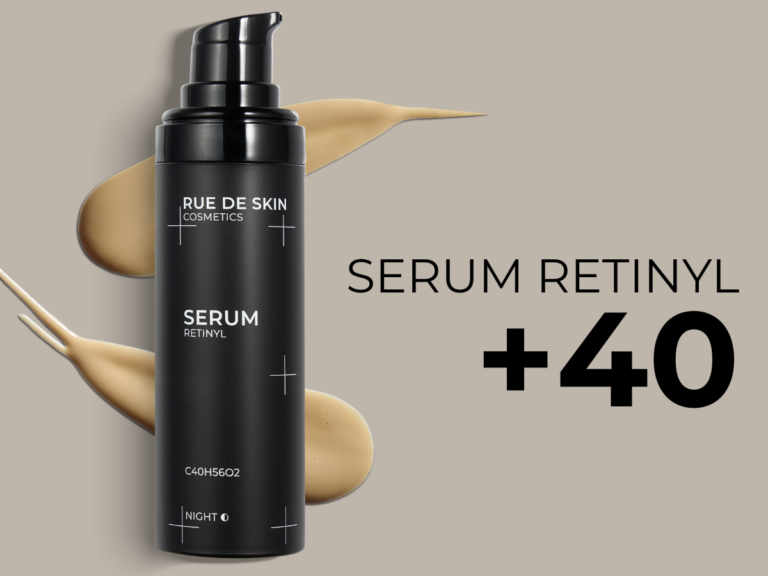
A healthy diet is essential, but don't forget about daily care, which enhances the effects of proper nutrition. Skin after 40 needs regeneration, protection, and hydration, so it's worth reaching for retinyl serum from the line Advanced. The serum not only stimulates skin renewal but also strengthens its structure and reduces the appearance of wrinkles. It's a true anti-aging powerhouse that acts as an intensive overnight treatment, supporting skin regeneration just as effectively as a properly balanced diet.
Choose care that works in synergy with your diet and enjoy healthy, radiant skin!
Footnotes: