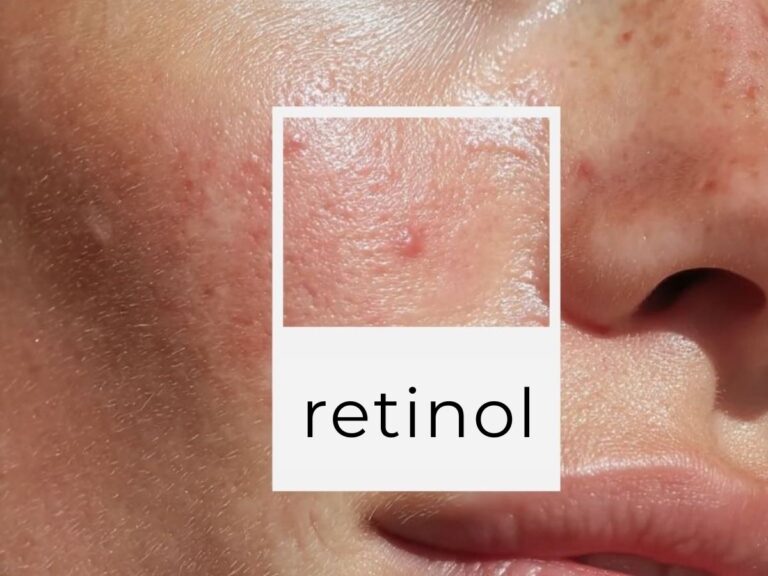

Does your skin sting after using a cream that's been on for months, doesn't last longer than an hour, and does your skin react to every change in cosmetics? These are typical signs that your hydrolipid barrier isn't working as it should. This invisible layer on the skin's surface—the first line of defense against frost, pollution, and detergents. Learn how to recognize a damaged barrier and rebuild it step by step!
5 things to know before you start rebuilding your barrier:
The hydrolipid barrier is a thin layer on the skin's surface made of lipids and water. It creates a seal that retains moisture within and blocks the penetration of irritating substances. Without it, skin loses moisture faster than it absorbs it.
The hydrolipid barrier consists of three groups of lipids: ceramides, cholesterol, and fatty acids. Each serves a different function, but together they form a tight "cement" that holds epidermal cells together.
Three pillars of the hydrolipid barrier:
Ceramides act as the main barrier binder, sealing the epidermis and preventing moisture loss. Without them, the barrier becomes vulnerable, allowing water to escape and irritants to penetrate freely.
Healthy skin produces ceramides naturally, but this ability decreases with age, under the influence of stress, frost and too aggressive care. That's why our cream with ceramides with ceramide NG works so effectively: it delivers the missing building block directly where it is needed.
Cholesterol plays a plastic role – it gives the barrier flexibility and determines how efficiently lipids move in the stratum corneum (the outermost layer of the epidermis, where lipid cement is concentrated). Fatty acids regulate the skin's surface pH, which should be approx. 4.5-5.5. The acidic environment inhibits the growth of bacteria and fungi.
When the barrier is damaged, the pH increases and the skin becomes more susceptible to inflammation. Therefore, after washing with hard water or strong soap, the skin may become temporarily red and itchy.
You can recognize a damaged barrier by several signs, which often appear simultaneously—it's rarely just one symptom. The most common mistake is applying additional layers of cosmetics when the skin reacts with irritation. Meanwhile, with a damaged barrier, new products can only make the situation worse. Before you change your cream or serum, first check to see if the problem lies here.
A disrupted hydrolipid barrier usually manifests itself with several symptoms at once—rarely a single one. The more symptoms you see, the greater the likelihood that the barrier requires support.
The most common symptoms of a damaged barrier:
You can tell them apart by the reaction pattern: an allergy always reacts to the same product, while a damaged barrier suddenly reacts to products it was previously tolerated. With allergies, creams always irritate, regardless of the skin's condition – the reaction is specific and reproducible. Symptoms of a damaged barrier are more diffuse and change with the weather or season. If in doubt, consult a dermatologist and patch tests they will solve the matter quickly.
The barrier is most often damaged by several factors at once: overly aggressive cleansing, strong acids, low temperatures, and UV radiation. Paradoxically, many of these factors are hidden in daily skincare routines. Dry skin is particularly sensitive to their effects – if you want to know how dryness affects the barrier, check out the article about dry skin – 5 levels of dryness and how to recognize them.
The greatest damage is caused by care: alkaline soaps and foams with SLS (sodium lauryl sulfate) They wash away lipids along with impurities. Excessive acid concentrations exfoliate not only dead skin but also the protective layer. Excessive active ingredients simultaneously irritate and weaken the barrier. Remember – the more steps in your routine, the greater the risk of overstimulating the skin.
External factors are equally important. Frost and wind They limit the skin's lipid production, hot showers dissolve lipids from the epidermal surface, and UV radiation damages ceramides and accelerates lipid degradation in the epidermis. Lack of SPF is one of the most underestimated factors damaging the barrier.
You can rebuild the barrier by simplifying your routine: fewer products, gentler ingredients, and focusing on ceramides. There's no need to abandon your entire skincare routine. The key is understanding how NG ceramide in care supports reconstruction and what effects it provides. It's also worth checking which one wins in the comparison: niacinamide or ceramides.
The barrier is primarily restored by ceramides, niacinamide, and panthenol – each for different reasons. Ceramides provide the missing lipid cement, niacinamide strengthens the barrier and has anti-inflammatory properties, while panthenol attracts water to the epidermis.
Make sure your chosen cream contains at least ceramides and one moisturizing ingredient – this is the minimum for effective repair. niacinamide serum combines ceramides and niacinamide with hyaluronic acid.
A minimal routine consists of a few steps you repeat every day – no experimenting with new products, no acids, and no retinol for at least the first 2-3 weeks. The fewer variables, the faster the barrier will recover.
Minimum barrier rebuilding routine:
The hydrolipid barrier determines how the skin handles daily challenges. When it's sealed, skincare is more effective, and the skin responds more calmly to product changes. Rebuilding usually takes time. 4-8 weeks – simply simplify your routine, focus on ceramides, and refrain from experimenting with new products for a few weeks. A few proven steps and consistency are all it takes to restore your skin's balance. Check out our products with ceramides and niacinamide and see how they can help rebuild your barrier!
Rebuilding the hydrolipid barrier typically takes 2 to 8 weeks, depending on the degree of damage and regular care. Light damage resolves more quickly, while deeper damage requires more time. The key is a simplified routine without sudden product changes.
Using retinol with a damaged barrier risks additional irritation – skin without a functioning protective layer is overly reactive to strong active ingredients. It's safer to wait 3-4 weeks with ceramides and gentle skincare before returning to a low-concentration retinoid.
Exfoliating acids used too frequently or in too high a concentration can weaken the barrier, removing not only dead skin cells but also the lipid layer. They are safe when used once or twice a week, at a concentration adjusted to skin tolerance.
The restored barrier provides several clear signals: previously irritating cosmetics no longer cause discomfort, the skin retains moisture longer, and the feeling of tightness disappears. An additional sign is that active products that were put aside for regeneration are once again tolerated.
Diet has a real impact on the skin's barrier function, particularly omega-3 and omega-6 fatty acids, which are the building blocks of skin lipids. A diet rich in fish, nuts, and olive oil supports the production of ceramides internally, although the effects are slower than with topical treatments.
Footnotes: