
Skin aging is a natural process, but its pace can be significantly slowed with conscious care and preventative measures. This anti-aging skincare guide shows how to effectively protect your skin from aging-accelerating factors and which active ingredients actually work. Mature skin requires a well-thought-out routine based on ingredients with proven effectiveness – retinoids, antioxidants, and peptides. Discover proven methods that will help maintain your skin's youthful appearance for longer!
Prevention is the most effective strategy in the fight against skin aging. It should start with already at the age of 25, when collagen production begins to decline. Daily sun protection, moisturizing, and regular use of ingredients that stimulate cell renewal are key. Research shows that people who regularly use SPF 50+ have 24% fewer visible signs of photoaging.
Premature aging can be effectively slowed down by eliminating risk factors and consciously maintaining proper skincare. Avoid excessive sun exposure, smoking, and chronic stress. Regular cleansing, moisturizing, and the use of creams with retinoids and antioxidants are the foundation of effective anti-aging therapy.
Basic principles of anti-aging prevention:
You can read more about longevity here: https://longevityourway.com/
Skin aging is a complex process resulting from internal and external factors. The skin aging process UV radiation, air pollution, smoking, and chronic stress are the primary factors that accelerate aging. These factors generate free radicals, which damage cell DNA and destroy collagen fibers. Natural antioxidant production also declines with age, weakening the skin's defense mechanisms.
Genetics determines about 20-30% of the aging process – the rest depends on environmental factors and lifestyle. Skin aging At the cellular level, it involves telomere shortening, the accumulation of DNA damage, and a decline in fibroblast metabolic activity. After the age of 30, collagen production declines by 1% per year, and elastin synthesis virtually ceases.
UV radiation is responsible for approximately 80% of the visible signs of skin aging. Photoaging is a skin damage process caused by UVA and UVB radiation. UVA penetrates deeply, destroying collagen and elastin in the dermis. UVB damages the DNA of epidermal cells, leading to mutations and the development of skin cancers. Protection against photoaging is the daily use of broad-spectrum SPF 50+ filters, avoiding the sun between 10 a.m. and 4 p.m. and wearing protective clothing.
Free radicals are unstable molecules that attack healthy cells, leading to damage. Oxidative skin aging It occurs as a result of oxidative stress – an imbalance between the production of free radicals and the body's ability to neutralize them. UV radiation, pollution, smoking, and stress generate excess free radicals. Antioxidants such as vitamins C, E, ferulic acid, and niacinamide neutralize these molecules, protecting cellular structures.
The drop in estrogen levels during menopause dramatically affects the condition of the skin. Menopause causes a significant reduction in collagen production – in the first five years after menopause, the skin loses approximately 30% of collagen. Estrogens stimulate fibroblasts to synthesize collagen and elastin, regulating hydration and epidermal thickness. Their deficiency leads to accelerated aging, loss of firmness, and deepening wrinkles.
These are reactive oxygen species that are produced in metabolic processes and under the influence of external factors. Free radicals They attack cell membrane lipids, proteins, and DNA, causing a cascade of damage. Skin has natural antioxidant mechanisms, but their effectiveness declines with age. Supplementing with antioxidants in skincare and diet enhances protection against oxidative stress.
UVA radiation emitted by tanning beds penetrates deep into the dermis. Solarium It accelerates photoaging by destroying collagen and elastin fibers. Regular use of artificial tan significantly increases the risk of skin cancer. An alternative is DHA-based self-tanners, which do not require UV exposure.
Nicotine constricts blood vessels, limiting oxygenation and access of nutrients to the skin. Smoking cigarettes generates massive amounts of free radicals that destroy collagen and elastin. Toxins from smoke activate enzymes that degrade the skin's structural fibers. The repeated lip movements associated with smoking lead to the formation of characteristic vertical wrinkles around the mouth.
A balanced diet rich in antioxidants, omega-3 and protein supports skin regeneration. Diet and skin aging It has a direct impact on the rate of degenerative processes. Excess sugar leads to glycation – a reaction in which sugars bind to proteins, creating rigid AGE structures. These compounds damage collagen and elastin, accelerating wrinkle formation.
The answer is yes – while you can't stop time, you can significantly slow down the rate of aging. The skin aging process can be slowed down through a comprehensive approach combining prevention, proper care, and a healthy lifestyle. Early initiation of anti-aging therapy is crucial – ideally around age 25, when collagen production begins to decline.
Effective strategies for delaying skin aging:
The effectiveness of anti-aging ingredients should be confirmed by clinical trials. Active ingredients in the fight against wrinkles It primarily contains retinoids, vitamin C, niacinamide, peptides, and hyaluronic acid. Retinoids accelerate cell renewal and stimulate collagen synthesis. Vitamin C protects against oxidative stress and brightens discolorations.
Anti-wrinkle creams They should contain a combination of ingredients that work synergistically. Appropriate concentration and formula stability are also important. Anti-wrinkle creams for vascular skin they must additionally contain ingredients that strengthen blood vessels, such as niacinamide or horse chestnut extract.
Ingredients essential for anti-aging care:
Oils for aging skin They provide unsaturated fatty acids and antioxidants. The best ones are rosehip seed oil, argan oil, and jojoba oil. They support the regeneration of the lipid barrier and improve skin elasticity.
The skin in these areas is thinner, has fewer sebaceous glands, and is more susceptible to the effects of gravity. How to moisturize your neck and décolleté This is a question about ingredients that not only moisturize but also firm and stimulate collagen production. You should use the same active ingredients as on your face – retinoids, peptides, and antioxidants.
Key elements of neck and décolleté care:
Vertical lines on the neck and horizontal wrinkles on the décolleté are the result of weakening skin structures and the effects of gravity. Wrinkles on the neck and décolleté They require intensive care and often support with in-office treatments. Radiofrequency treatments, mesotherapy, and fillers are effective.
Causes of wrinkles on the décolleté include sleeping on your side, which mechanically compresses the skin, and excessive sun exposure. Prevention includes sleeping on your back, regular use of firming creams, and absolute photoprotection this area.
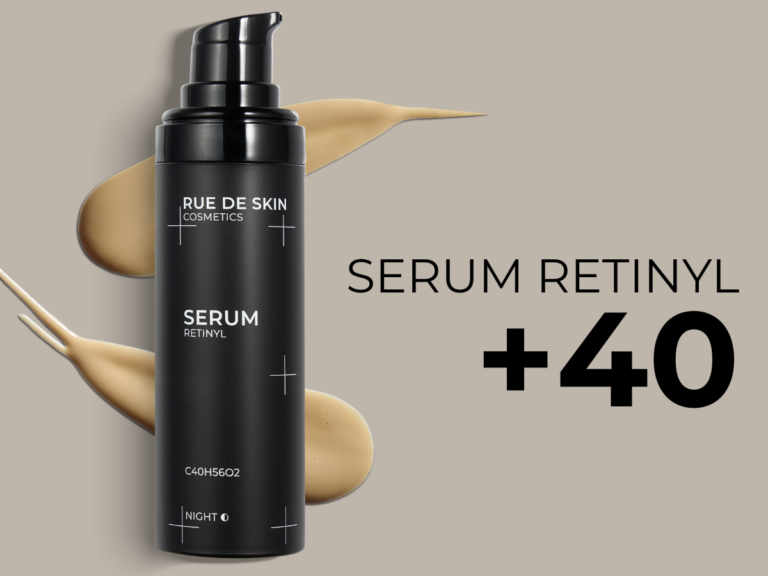
We offer a complete line of products dedicated to mature skin care, based on scientifically proven ingredients. Our formulas combine retinoids, peptides, antioxidants, and ceramides in optimal concentrations, which work synergistically and enhance the effects of the treatment. These cosmetics were created in collaboration with aesthetic medicine experts to support the skin between treatments. We focus on long-lasting results, which is why it's so important to remember that Effective fight against aging requires systematic approach and patience.
Footnotes:
Text written in cooperation with SaySEO