
Although men's skin is naturally thicker, more resistant, and retains its firmness longer than women's, it too is subject to natural aging processes, the pace of which depends on both genetic and environmental factors. Properly selected active ingredients can effectively slow this process, improving the appearance, structure, and function of the skin at the cellular level. In this paper, we present the most important substances used in men's anti-aging skincare and their mechanisms of action, based on scientific evidence and dermatological practice.
The differences in the skin structure of men and women mean that the aging process proceeds differently. Men tend to experience the first signs of aging later, but when they do appear, they are usually more pronounced and more difficult to diminish. Thicker epidermis, higher collagen density, more intense oiliness, and frequent shaving all require different skincare strategies. Aftershave skin care – how to avoid irritation and dryness?
Effective care should not only be based on research, but also adapted to male skin physiology – with an emphasis on repairing, strengthening and protecting effects.
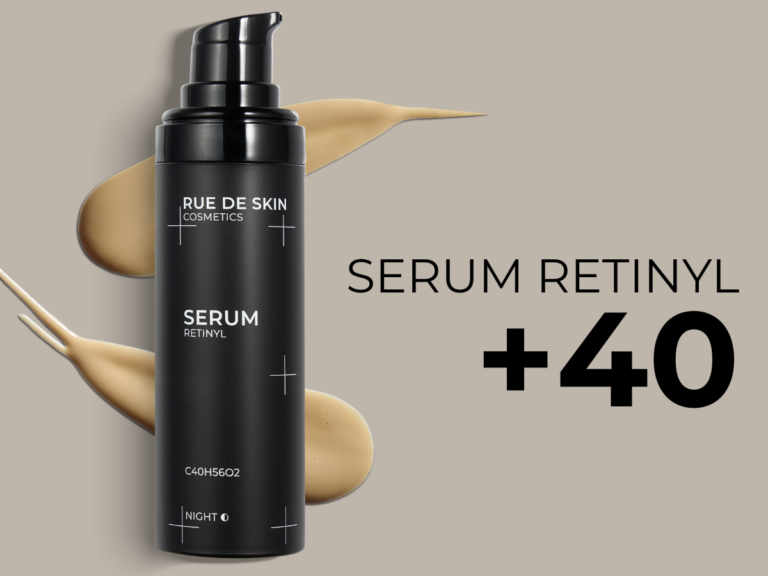
Retinoids are vitamin A derivatives and are among the most effective anti-aging ingredients. They work by stimulating collagen production, accelerating cell renewal, and smoothing wrinkles. Regular use of retinoids improves skin texture, reduces discoloration, and diminishes the appearance of fine lines, making them one of the most important components of men's anti-aging skincare (Wawrzyniak et al., 2023).
Retinoids stimulate fibroblasts to increase collagen and elastin production, leading to improved skin firmness and wrinkle reduction. They also regulate the exfoliation process, making the skin appear smoother and more even-toned. Their action also reduces the appearance of pores and discoloration, which can be particularly important for men prone to uneven skin tone.
Retinol creams and serums are the best choice for men's skincare, as they effectively reduce the signs of aging without causing excessive skin irritation. However, it's important to gradually introduce this ingredient into your skincare routine. Initially, it's best to use products with a lower retinol concentration (e.g., 0.1% or 0.3%) two to three times a week, then increase the frequency of use. Because retinoids can cause slight peeling and redness, they should be applied in the evening and sunscreen in the morning.

Peptides These are short chains of amino acids that support the synthesis of collagen and elastin—key proteins responsible for skin firmness and elasticity. They act as natural building blocks for skin, helping it maintain a youthful appearance. Research confirms that using cosmetics containing peptides can improve skin firmness, reduce loss of firmness, and reduce existing wrinkles (Grymel, 2021).
As we age, skin loses its ability to naturally regenerate, weakening its structure. Peptides help rebuild and strengthen the skin by providing it with essential amino acids for collagen and elastin production. This makes the skin more elastic, firm, and resistant to the negative effects of aging.
In men's skincare, signaling peptides are particularly effective, stimulating fibroblasts to produce collagen, and transporting peptides, which deliver nutrients to the deeper layers of the skin. Copper peptides additionally support regeneration and accelerate the healing of minor skin damage.
Regular use of peptide-containing products, especially after the age of 35, can delay the aging process, improve skin elasticity, and make it look healthier and more rested. For best results, apply a peptide serum before applying moisturizer, which ensures optimal absorption of the active ingredients.
Niacinamide, also known as vitamin B3, is one of the most versatile ingredients used in modern skincare. Its effects range from anti-aging to regenerative, anti-inflammatory, and brightening. In men's skincare, niacinamide is particularly effective for combination and sensitive skin with visible pores, discoloration, and irritation—problems that often worsen with age and the impact of daily shaving.
Studies show that regular use of niacinamide can significantly improve skin texture, increase hydration, and reduce roughness and the appearance of fine lines (Wawrzyniak et al., 2023). Importantly, this ingredient is well tolerated by most skin types, even at higher concentrations.
Niacinamide has a multifaceted effect at the cellular level:
It is therefore an ingredient that works not only symptomatically, but also causally – strengthening the foundations of healthy mature skin.
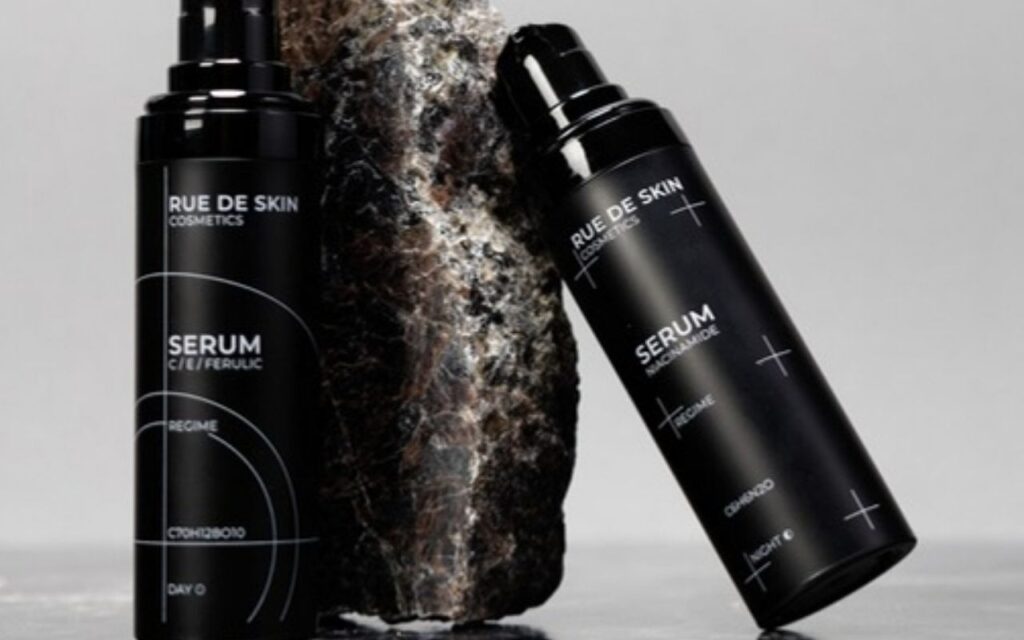
Niacinamide is also worth including in your daily skincare routine, as it has anti-aging, soothing, and moisturizing properties. It is especially recommended serum with 10% niacinamide from the line Regime, enriched with kojic acid, lactic acid, panthenol, and allantoin. This combination not only reduces the appearance of fine lines and discoloration, but also strengthens the hydrolipid barrier, has anti-inflammatory properties, and improves skin tone.
This solution is for men looking for effective yet gentle care – without drying out or risk of irritation. Perfect for both beginners and advanced skincare routines.
Free radicals are one of the main causes of skin aging. They are produced by factors such as UV radiation, environmental pollution, and stress. Antioxidants neutralize their effects, slowing the aging process. The most effective antioxidants used in men's anti-aging skincare include:
Regular use of cosmetics rich in antioxidants helps maintain the healthy appearance of the skin and slow down the aging process.
Men's skin, although thicker than women's, also loses water and requires proper hydration. Lack of proper hydration leads to dryness, increased susceptibility to wrinkles, and loss of elasticity. Therefore, anti-aging skincare must include highly moisturizing ingredients:
Regular use of moisturizing creams and serums is the basis of effective anti-aging care.
UV radiation is one of the main factors accelerating skin aging. Even the best anti-aging care will not produce the desired results if the skin is not properly protected from the sun. Using creams with SPF 30 or 50 is the most effective way to prevent photoaging, discoloration, and loss of skin firmness.
Regular sunscreen use helps reduce the risk of premature wrinkles and protects skin from damage caused by UVB and UVA rays. Men who use sunscreen daily have fewer visible signs of aging and a more even skin tone than those who don't. It's important to remember that sunscreen should be used year-round, regardless of the weather, to effectively prevent the negative effects of the sun.
What we eat has a huge impact on the condition of our skin. A diet rich in healthy fats, vitamins, and antioxidants supports regenerative processes and protects against oxidative stress. It's worth including products in your daily diet that support skin from the inside:
A healthy diet, combined with proper care, can significantly slow down the aging process and improve the condition of the skin.
Men's skin in its 40s and 50s – how to prevent wrinkles, loss of elasticity and dryness? Anti-aging skincare doesn't require complicated rituals—the key is the regular use of ingredients with proven effectiveness. Retinoids, peptides, antioxidants, and moisturizers form the foundation of an effective anti-aging routine, helping skin maintain its youthful appearance for longer. Additionally, sun protection and a healthy diet support the skin both from the inside and out. It's worth taking the time to consciously choose your skincare products, as the effects of a regular routine will be visible for years to come.
Footnotes: