With age, skin loses its elasticity and density, leading to changes in facial contours. Collagen loss, declining estrogen levels, and the effects of external factors such as UV radiation cause facial contours to become less defined and the skin to lose its firmness. Although the aging process is natural, there are effective ways to slow it down and improve facial contours and skin firmness. What methods should you employ to regain a younger appearance and enjoy healthy, supple skin?

The passage of time has an impact on the condition of the skin, and changes in its structure lead to a gradual loss of firmness and density. This process is the result of both internal factors related to the body's biology and external factors, which further accelerate skin aging. While it cannot be completely stopped, understanding the mechanisms responsible for this process allows for better tailored care and effective slowing of undesirable changes.
One of the key factors affecting the condition of skin after the age of 50 is the decline in estrogen levels. These hormones play a crucial role in the synthesis of collagen and elastin – proteins responsible for skin firmness, elasticity, and elasticity. Their deficiency reduces the production of new supporting skin fibers, leading to sagging, loss of thickness, and increased susceptibility to wrinkles.
Reduced collagen also weakens the structure of the dermis, making it less resistant to gravity. As a result, facial contours change – the skin loses its original volume, cheeks begin to sag, and facial contours become less defined.
In addition to the decline in collagen production, skin after the age of 50 also loses its naturally occurring hyaluronic acid. What are the advantages and disadvantages of hyaluronic acid in 50+ skin care? This substance plays a key role in maintaining proper hydration levels by binding water in the epidermis, preventing excessive evaporation. When the amount of hyaluronic acid in the skin decreases, it becomes more susceptible to dryness, which further accelerates wrinkle formation and deepens the loss of firmness.
An additional factor that accelerates skin degradation is chronic exposure to UV radiation. Excessive sun exposure causes the breakdown of collagen and elastin fibers, leading to loss of skin elasticity and photoaging. Environmental pollution, cigarette smoke, and oxidative stress also contribute to skin weakening and accelerate the aging process.
To effectively counteract these changes, it is worth implementing comprehensive care that supports skin regeneration and strengthens its structure.
Loss of skin firmness is a natural process that increases with age, but properly selected home care can effectively support its elasticity and healthy appearance. What changes should you make to your skincare routine after the age of 50?
The key is systematicity and the selection of active ingredients that actually work – and all this can be achieved naturally, without the need for invasive treatments.
Here are some effective methods worth introducing into your daily routine:
Natural care can be as effective as professional treatments – provided it is based on proven substances:
Well-hydrated skin looks firmer and more radiant. It's worth considering the following in your daily skincare routine:
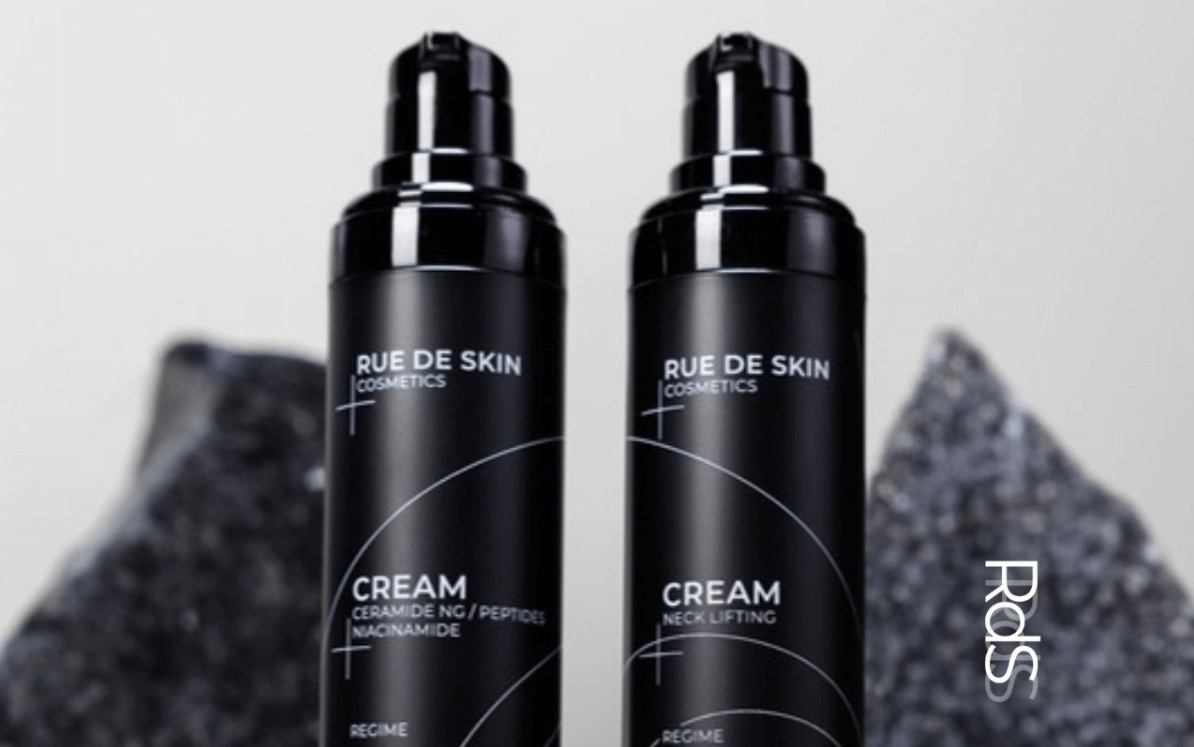
Don't forget to take care of your neck and décolleté – these are areas that age just as quickly as your face, yet often don't receive the same attention. Help comes from neck and décolleté cream from the line Regime.
Thanks to the content of active ingredients with lifting and firming properties, this cream strengthens the skin's structure, improves its firmness and counteracts the sagging effect that often appears in this area.
Using it in the evening, after a gentle massage, supports regeneration and helps maintain the smoothness and elasticity of the neck skin – the place that most often reveals age.
Daily massage improves microcirculation, oxygenates cells, and supports natural collagen production. Just a few minutes a day using:
Masks made from avocado, honey, flaxseed or egg white can have a firming and nourishing effect, especially when used regularly – 1-2 times a week.
Lifestyle plays a huge role in the skin aging process, so proper diet and regular physical activity can significantly impact its appearance and condition. A balanced diet rich in antioxidants, healthy fats, and protein supports skin regeneration from within, helping maintain its elasticity and firmness. Foods containing vitamin C, such as citrus fruits, peppers, and berries, stimulate collagen synthesis, which is responsible for skin elasticity. Omega-3 fatty acids, found in oily fish, avocados, and nuts, support hydration and strengthen the skin's protective barrier, preventing excessive dryness.
Regular physical activity improves blood circulation, which supports the delivery of nutrients to the skin, facilitates its regeneration, and increases cell oxygenation. Strength training helps maintain muscle tone, which prevents sagging skin, especially around the face, neck, and shoulders.
Facial yoga is another effective method for supporting skin elasticity. Regular practice strengthens the muscles responsible for maintaining facial contours and helps reduce facial wrinkles. A healthy diet and physical activity are a natural way to slow down the aging process and improve skin condition in the long term.
Modern aesthetic medicine offers effective solutions to help restore skin and improve facial contours. One of the most popular treatments is diamond microdermabrasion, which involves mechanical exfoliation of the epidermis. This treatment stimulates skin regeneration, smoothes its texture, and improves its tone.
Hyaluronic acid fillers are another effective method for restoring facial volume and reducing the appearance of wrinkles. They tighten the skin and restore definition to facial contours. However, like any injectable procedure, they require the services of an experienced specialist to avoid unwanted side effects.
Another recommended solution is microneedling radiofrequency, which uses radio waves to stimulate collagen and elastin production. This treatment improves skin firmness and elasticity, helping to reshape the face without the need for invasive methods.
Loss of skin density after the age of 50 is a natural process, but it can be effectively slowed down with proper care, treatments that stimulate collagen production, and a healthy lifestyle. The best results are achieved by combining various methods—from the use of cosmetics that support skin regeneration, through regular exercise and facial massages, to professional aesthetic treatments. Consistency and tailoring the methods to your skin's needs are key, allowing you to enjoy a healthy, supple, and radiant appearance for longer.
Footnotes: