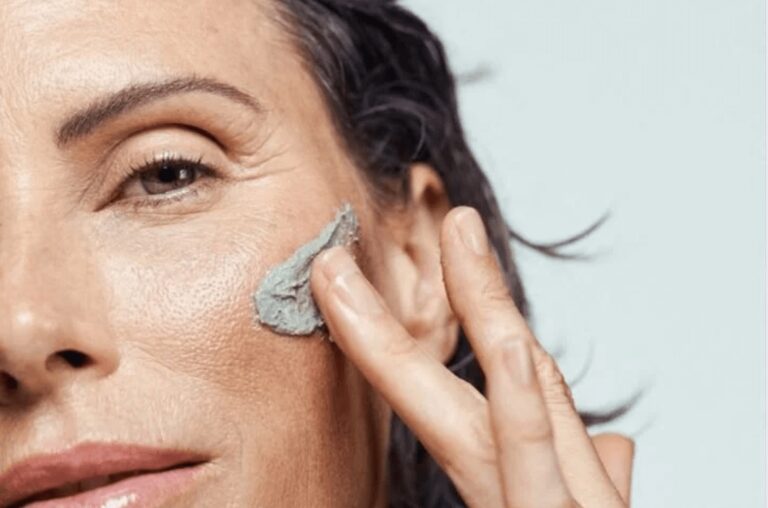
Wrinkles are a natural part of the skin's aging process, but not all wrinkles are created equally. Some are caused by facial movements, while others are the result of gravity or excessive sun exposure. Understanding the types of wrinkles and what causes them is the first step towards effective prevention and proper skin care.

First wrinkles: when do they appear and how to eliminate them?
Have you noticed the first lines on your forehead? Or perhaps you're noticing fine lines around your eyes? It's a sign that your skin is entering a new phase. The first signs of aging appear sooner than most people expect—as early as around age 25. However, there are ways to slow them down, minimize them, and even smooth them out. The key to success is understanding why your skin begins to change and implementing effective skincare and appropriate treatments. Read: First wrinkles: when do they appear and how to eliminate them?
How to deal with dry skin that is more prone to wrinkles?
Is your skin often tight, rough, and prone to irritation? If so, it likely needs intensive regeneration and a solid dose of hydration. Dry skin not only ages faster but is also more susceptible to wrinkles and loss of firmness. The key is proper skincare and a few simple changes to your daily routine. Read on for proven ways to restore your skin's softness, elasticity, and youthful glow: How to deal with dry skin that is more prone to wrinkles?
Mimic wrinkles – the effect of everyday emotions
Mimic wrinkles These are the first lines to appear on the face – often before the age of 30. They result from repetitive facial muscle movements, such as frowning, squinting, or smiling. Every day, the skin flexes and stretches with facial expressions, and over time, it loses its ability to fully return to its original state.
Where do they most often occur?
- On the forehead – horizontal lines resulting from facial expressions, especially when raising the eyebrows.
- Between the eyebrows – vertical wrinkles, the so-called "lion's wrinkle", appearing when wrinkling the forehead.
- Around the eyes – fine lines, so-called „crow’s feet”, resulting from smiling and squinting.
- Around the mouth – vertical wrinkles, so-called „smoker’s lines”, resulting from the movements of the mouth muscles, even in non-smokers.
How to prevent them?
- Regular use of SPF filters prevents skin weakening.
- Moisturizing the skin and using retinoids supports its regeneration.
- Facial massage and facial yoga exercises help relax tense muscles.

Gravitational wrinkles – the skin succumbs to the force of gravity
Gravitational wrinkles appear when skin loses firmness and begins to sag under the influence of gravity. With age, the amount of collagen and elastin, which are responsible for skin firmness, decreases. This results in sagging and gradual tissue displacement, leading to wrinkle formation.
Where do they most often occur?
- On the cheeks – loss of skin volume causes them to sag, leading to the so-called „drooping cheeks.”.
- In the jaw area – sagging skin results in the formation of „hamsters”, i.e. falling skin folds.
- On the neck – horizontal wrinkles, called the „rim of Venus”, appear due to the loss of skin elasticity and head movements.
How to prevent them?
- Creams with peptides and ceramides strengthen the skin barrier.
- Lifting treatments such as microneedling radiofrequency can improve skin firmness.
- Facial exercises, such as facial yoga, can help keep your skin toned.
Photoaging wrinkles – the result of excessive sun exposure
UV radiation is one of the main factors accelerating skin aging. Prolonged sun exposure leads to the degradation of collagen and elastin, which causes premature wrinkles, often deeper than facial wrinkles.
Where do they most often occur?
- On the forehead and cheeks – these are often deep wrinkles.
- Around the eyes – thin skin is most vulnerable to sun damage.
- On the neck and décolleté – places often overlooked when applying SPF.
How to prevent them?
- Daily use of sunscreen (SPF 30-50).
- The use of antioxidants such as vitamin C and E, which neutralize free radicals.
- Protect your skin from the sun by wearing sunglasses and hats.
Structural wrinkles – the skin loses support
Structural wrinkles are deep lines that develop as a result of natural skin aging and the loss of subcutaneous tissue. As we age, the amount of hyaluronic acid, fat, and collagen decreases, making the skin thinner, less elastic, and more susceptible to wrinkles.
Where do they most often occur?
- Around the mouth and nose – so-called nasolabial folds.
- In the area of the temples and cheeks – the face loses its youthful fullness.
- On the hands – the skin becomes thinner, making wrinkles more visible.
How to prevent them?
- Hyaluronic acid and collagen help maintain the appropriate level of hydration and firmness.
- Hyaluronic acid filler treatments restore skin volume.
- A proper diet rich in healthy fats and antioxidants supports the condition of the skin.
Sleep wrinkles – the invisible enemy that appears at night
Can the way you sleep cause wrinkles? Turns out, yes! Sleep wrinkles are caused by prolonged pressure from your skin against the pillow. If you sleep on your side or stomach, you may notice vertical lines appearing on your cheeks, forehead, and décolleté over time.
How to prevent them?
- Sleeping on your back reduces pressure on the skin of your face.
- Choose silk pillowcases, which are gentler on the skin than cotton.
- Using rich night creams with ceramides and retinoids, which support skin regeneration.
How to reduce the visibility of existing wrinkles?
It's not always possible to completely prevent wrinkles, but there are effective ways to reduce them. The key is a combination of proper skincare, a healthy lifestyle, and, in some cases, modern aesthetic treatments.


- Anti-wrinkle cosmetics – products containing retinoids, peptides, hyaluronic acid and antioxidants help regenerate the skin and improve its structure.
- Regular moisturizing – well-hydrated skin is firmer and less susceptible to the formation of deep wrinkles.
- Facial massages – techniques such as facial yoga or gua sha massage improve microcirculation and help the skin maintain its elasticity.
- Cosmetic and aesthetic medicine treatments – laser therapy or botulinum toxin can effectively reduce the visibility of deeper wrinkles.
Regular skin care and attention at any age will allow you to enjoy smooth and radiant skin for longer.
How to prevent different types of wrinkles?
Each type of wrinkle requires a different approach to care and prevention. A proper skincare routine, rich in retinoids, peptides, antioxidants, and SPF, can effectively delay their formation. serum with retinyl retinoate, peptides and vitamin E It supports skin regeneration and helps smooth out fine lines. Retinoids are among the most researched anti-aging ingredients, and their regular use helps regenerate skin and improve its texture.
People looking for comprehensive care should pay attention to the Line Advanced by Rue de Skin, which was created for short-term, targeted therapies. Cosmetics from this line support the skin's natural renewal processes, replenish deficient active ingredients, and help maintain a healthy, youthful appearance. Regular use of products from this line, combined with appropriate care and sun protection, can significantly slow down the aging process and restore skin's radiance.
A healthy lifestyle is also crucial in wrinkle prevention – proper diet, hydration, and avoiding harmful factors. For those seeking more effective solutions, aesthetic treatments can also be helpful, as they regenerate the skin and restore its youthful appearance.
Every type of wrinkle can be delayed!
Wrinkles are an inevitable part of the aging process, but their appearance can be significantly delayed. Expression wrinkles result from facial movements, gravitational wrinkles from loss of firmness, photoaging wrinkles from UV exposure, and structural wrinkles from subcutaneous tissue loss. Even sleeping habits can influence wrinkle formation!
Good skincare, sun protection, a healthy lifestyle, and modern aesthetic treatments can help keep your skin looking youthful for longer. The most important thing is a conscious approach and consistency – because beautiful skin is the result of daily care!
Footnotes:
- LUCHOWSKA, A., SROCZYŃSKA, M., & ŻACZEK, A. (2022). Acne medication as a potential solution for slowing down the aging process – a systematic review. Journal of Education Health and Sport, 13(2), 172-176. https://doi.org/10.12775/jehs.2023.13.02.024
- Osika, G. and Wesołowska, A. (2019). Possibilities of delaying skin aging processes with the use of selectedmedicinal substances ·. Farmacja Polska, 75(7), 369-376. https://doi.org/10.32383/farmpol/116120
- Wawrzyniak, D., Rolle, K., & Barciszewski, J. (2023). Lycopene – the effect of supplementation on the skin aging process. Advances in Biochemistry. https://doi.org/10.18388/pb.2021_482
- Wojnowska, D. (2013). How to prevent menopausal consequences for skin? Menopausal Review, 1, 69-77. https://doi.org/10.5114/pm.2013.33425