Enlarged pores – what to use and which cream to choose for mature skin?
5 min reading
Contents
As we age, skin loses its elasticity and pores become more visible. This is a result of the natural aging process.. They lead to reduced collagen production, a weakened skin barrier, and changes in skin texture. This loss of firmness causes pores to enlarge, leaving the complexion looking less even and healthier. Fortunately, there are many effective methods that can help reduce the appearance of enlarged pores and improve overall skin condition. Which methods are most effective, and how should you incorporate them into your daily skincare routine?
Key information:
In mature skin, the main reason for the visibility of pores is not only excess sebum, but also the loss of elasticity of the supporting tissue that "opens" the sebaceous glands.
Dry skin makes the problem worse – the key is to maintain the hydrolipid barrier, which prevents compensatory overproduction of sebum.
The most effective substances in reducing pores are those that stimulate cell renewal (retinoids, etc.) retinyl retinoate) and regulating and anti-inflammatory ingredients (niacinamide, BHA acids).
UV radiation destroys collagen, so daily use of SPF is the most important step in preventing their narrowing.
Mature skin requires gentle exfoliation (enzymatic or PHA), as excessive cosmetic aggression leads to inflammation that weakens the skin's structure.
Why does mature skin have a problem with enlarged pores?
With age, skin loses elasticity and collagen and elastin production decline, leading to a weakening of skin structure and increased pore visibility. Reduced sebum production also contributes to this. Although mature skin is often drier, excessive sebum production can occur in certain areas, especially the T-zone. Uneven sebum production, combined with impaired epidermal regeneration, causes impurities to accumulate in pores, making them more visible and enlarged.
What factors influence the visibility of pores?
Enlarged pores are a problem that can be made worse by various factors.
The most important ones include:
Skin aging – loss of firmness causes pores to lose their elasticity and become more visible.
Pollution and lack of proper treatment – makeup residue, excess sebum and toxins can clog pores and cause them to enlarge.
Too aggressive care – the use of strong drying agents may disrupt the skin’s protective barrier, leading to compensatory overproduction of sebum and further enlargement of pores.
Improper diet – excess sugar, trans fats and dairy products can increase sebum production and exacerbate the problem of enlarged pores.
Sun exposure – UV radiation accelerates the degradation of collagen, which weakens the skin structure and increases the visibility of pores.
Effective home care
Proper skincare is key to combating enlarged pores. Regular cleansing, moisturizing, and the use of active ingredients help improve skin texture and restore its balance.
Cleansing – a key step in caring for skin with enlarged pores
Regular and effective cleansing is the foundation of skin care for skin with enlarged pores. Mature skin requires gentle yet effective products that remove impurities without damaging the hydrolipid barrier.
The best choices are:
Makeup removal oils and milks – help effectively remove makeup and excess sebum.
SLS-free cleansing gels – cleanse the skin without causing excessive drying.
Tonics with AHA and BHA acids – help regulate sebum secretion and gently exfoliate dead skin cells.
Moisturizing and enlarged pores – why is it so important?
It may seem that skin with enlarged pores doesn't require intensive moisturizing. In fact, the opposite is true. A lack of proper hydration leads to an overproduction of sebum, which can further enlarge pores.
It is worth choosing light but effectively moisturizing formulas, such as:
Creams with hyaluronic acid – help retain moisture in the skin.
Cosmetics with ceramides – rebuild the hydrolipid barrier and prevent skin dehydration.
Light emulsions with plant extracts – e.g. green tea or aloe, which have a moisturizing and soothing effect.
One of the biggest enemies of mature skin is UV rays, which contribute to the degradation of collagen and elastin. To effectively protect your skin, you should use broad-spectrum sunscreen daily, preferably with SPF 50.
Peelings and exfoliation – how to effectively unclog pores?
Exfoliating dead skin helps cleanse and tighten pores, preventing them from becoming clogged. However, mature skin requires gentle exfoliation to avoid irritation.
The best options are:
Enzymatic peels – containing papain or bromelain, which gently remove dead skin without mechanical abrasion.
AHA and BHA acids – lactic, mandelic or salicylic acid help unclog pores and regulate sebum secretion.
PHA peels – more gentle than AHAs, they moisturize and soothe, while supporting skin renewal.
Exfoliating too frequently can weaken the skin's protective barrier. Limit exfoliation to 1-2 times a week.
Moisturizing masks for mature skin
Moisturizing masks are one of the quickest and most effective ways to deeply nourish your skin, but not all formulas are created equal. Which masks should you incorporate into your skincare routine to keep your skin firm and radiant? Read: What moisturizing masks are recommended for mature skin?
Active ingredients that tighten pores – what is worth using?
Some cosmetic ingredients help regulate sebum production and improve skin texture, making pores less visible.
The most effective are:
Niacinamide – regulates the function of sebaceous glands and has anti-inflammatory properties.
Salicylic acid (BHA) – penetrates the sebum layer, cleansing pores and reducing inflammation.
Vitamin C – has an antioxidant effect, supports collagen production and improves skin structure.
Retinol and its derivatives – stimulate cell renewal and reduce the appearance of pores. One of the most advanced ingredients is retinyl retinoate.
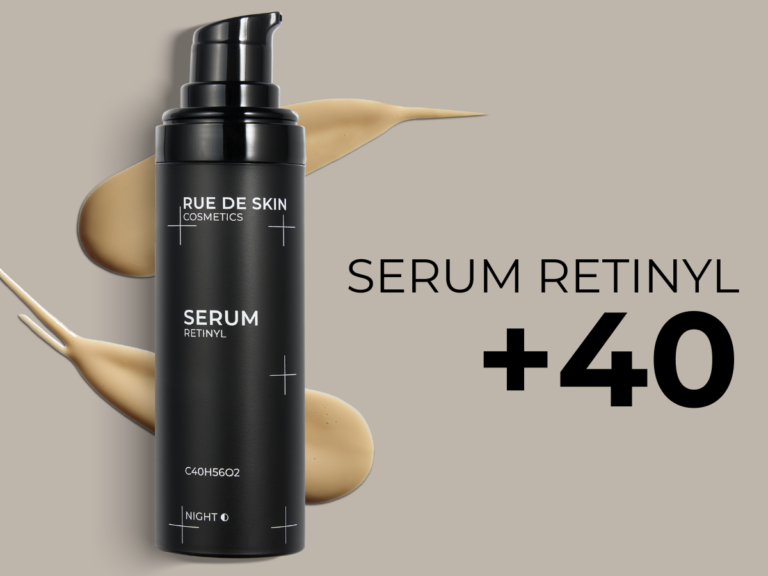
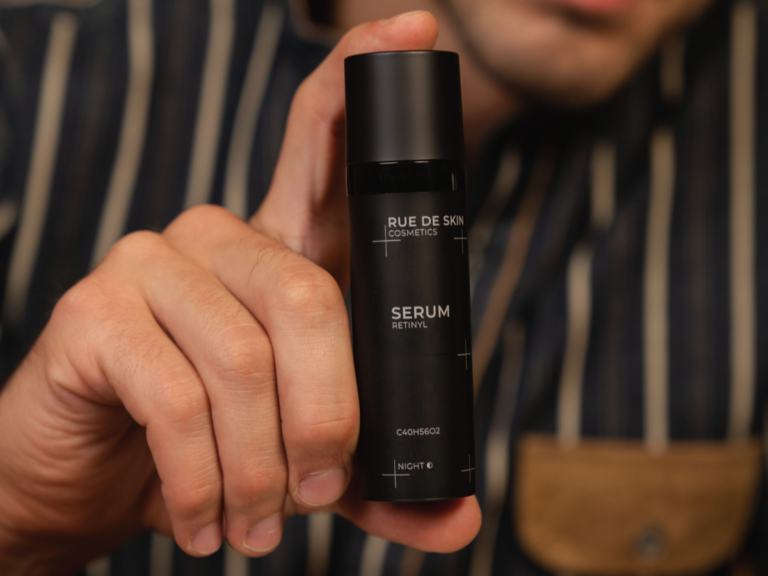
Regular use retinyl retinoate serum from the line Advanced supports the skin in the fight against enlarged pores, improving its structure and restoring a healthy, uniform appearance.
Retinyl retinoate – a modern form of retinoid, more effective and gentler than traditional retinol. It stimulates skin regeneration, tightens pores, and improves skin texture.
Hyaluronic acid – intensively moisturizes, preventing skin dryness, which could lead to excessive sebum production.
Peptides – support collagen production, which improves skin elasticity and makes pores less visible.
Antioxidants – protect the skin against free radicals, slowing down the aging process and reducing inflammation.
The most common mistakes in skin care for enlarged pores
Some habits can worsen skin condition and make pores even more visible.
It is worth avoiding:
Using aggressive mattifying cosmetics – excessive drying of the skin leads to compensatory sebum production.
Lack of sun protection – UV radiation weakens the skin and makes pores more visible.
Inappropriate makeup removal – Inadequate cleansing can cause impurities to accumulate in the pores.
Using peels too often – excessive exfoliation weakens the skin and leads to inflammation.
Improper diet – consuming large amounts of sugar, fatty and highly processed products may contribute to increased sebum secretion.
Conscious care tailored to the needs of mature skin can effectively minimize the problem of enlarged pores and improve its overall condition.
How does lifestyle affect the skin?
The condition of your skin doesn't just depend on the cosmetics you use—your lifestyle also has a huge impact. Daily habits, diet, stress levels, and physical activity can determine your complexion's appearance, how quickly it ages, and how effectively it regenerates.
Diet Consuming large amounts of processed foods, sugar, and trans fats can cause inflammation and worsen skin condition, leading to acne, dryness, and loss of firmness. Meanwhile, a diet rich in antioxidants, healthy fats, and vitamins supports cell renewal and protects against oxidative stress.
Irrigation – the right amount of water in the diet affects the elasticity of the skin and supports its protective barrier, preventing excessive dryness.
Stress – chronic stress increases cortisol levels, which leads to overproduction of sebum, weakening of the skin’s hydrolipid barrier and increased susceptibility to wrinkles and acne.
Dream During sleep, skin regenerates, repairs damage, and renews cells. Lack of adequate sleep can lead to a dull complexion, dark circles under the eyes, and accelerated skin aging.
Physical activity – improves blood circulation, which translates into better oxygenation and nourishment of the skin, and also supports the removal of toxins from the body.
Sun protection – exposure to UV radiation without appropriate SPF filters accelerates collagen degradation, leading to photoaging, discoloration and loss of firmness.
Dermatological treatments that support the fight against enlarged pores
For those seeking quick and lasting results, professional dermatological treatments are worth considering. Modern technologies can effectively improve skin texture and reduce the appearance of pores.
Chemical peels
Treatments using glycolic, salicylic or mandelic acid effectively exfoliate dead skin cells, regulate sebum production and improve skin firmness.
Microdermabrasion and mesotherapy
Microdermabrasion involves mechanical exfoliation of the epidermis, which stimulates skin regeneration. Mesotherapy, in turn, supplies the skin with nutrients that improve its elasticity and structure.
Laser therapy
Laser treatments help stimulate collagen production and shrink enlarged pores. This is one of the most effective methods for improving the appearance of mature skin.
Ways to deal with enlarged pores for mature skin
Healthy, radiant skin is the result of more than just well-chosen skincare. It's also the result of daily choices regarding diet, physical activity, and stress management. Establishing healthy habits can not only improve the appearance of your complexion but also delay the aging process and help maintain its good condition for years to come. Taking care of your skin involves more than just using cosmetics; it also involves a holistic approach to your health and lifestyle.
FAQ – Frequently asked questions about enlarged pores
Is it possible to permanently „close” enlarged pores?
They cannot be completely closed, but by stimulating collagen production, the firmness of the skin around them can be significantly improved, which optically narrows them.
Why does mature skin need moisturizing despite enlarged pores?
Proper hydration of the epidermis makes it firmer and more elastic, which visually "pushes out" the skin and reduces the visibility of pore depressions.
Which ingredient is currently considered the most effective in the fight against enlarged pores?
Retinyl retinoate is considered the most effective in improving skin texture and tightening pores, combining high anti-aging effectiveness with an exceptionally gentle effect on the skin.
What works best for enlarged pores in women over 25 with oily skin?
When caring for oily skin after the age of 25, the key is to combine gentle cleansing with niacinamide, which regulates sebum secretion and tightens pores without drying out the epidermis.
Which pro-aging cream with ceramides should I choose for mature skin with enlarged pores after the age of 45?
The best choice after the age of 45 will be a cream combining ceramides to rebuild the protective barrier with retinoids (e.g. retinyl retinoate) and peptides, which improve skin structure and visually shrink pores.
What to use for enlarged pores to make the skin uniform again?
To improve the texture of skin with enlarged pores, you should implement regular exfoliation with acids (AHA/BHA) and use active substances that stimulate collagen, such as vitamin C or retinol.
Why does skin with enlarged pores require special treatment in mature skincare?
Skin with enlarged pores loses its firmness in adulthood, which causes the sebaceous glands to become looser and more visible, which is why it requires products that firm and rebuild the collagen structure.
Footnotes:
Cybal-Michalska, A. (2020). Solving identity problems by students of Polish universities and the phenomenon of problematic alcohol drinking. Resocjalizacja Polska, (19). https://doi.org/10.22432/pjsr.2020.19.13
Czajka, N. (2023). Normative values of tests assessing central auditory processing disorder (capd) conducted on the senses examination platform for children aged 6 to 12. Nowa Audiofonologia, 12(2), 62-72. https://doi.org/10.17431/na/162974
English, A. (2016). Experiences of discontinuity and reflective learning from moral dilemmas. A qualitative study within the ethik-international edinburgh study. Pedagogical Forum, 6(2/1), 71-94. https://doi.org/10.21697/10.21697/fp.2016.2.05
Pietkiewicz-Pareek, B. (2021). Impact of the covid-19 pandemic on the dynamics of the traditional "joint family" in India. Upbringing in the Family, 24(1), 161-175. https://doi.org/10.61905/wwr/170405